

 English
 русский
 Español
 Français
 Português
 عربى
عربى




+86-13588556918
Content
- 1 1. What Is an Unattended Truck Dumper with an Integrated Weighing System?
- 2 2. Why Integrated Weighing Is Better Than Separate Equipment
- 3 3. Product Features and Engineering Advantages
- 4 4. Technical Specifications and Model Selection
- 5 5. Advanced Manufacturing and Quality-Control Strengths
- 6 6. Operational Benefits for Industrial Facilities
- 7 7. Suitable Industries and Applications
- 8 8. Maintenance, Reliability, and Service Life
- 9 9. Environmental and Extreme-Weather Adaptation
- 10 10. Implementation Process for a New Project
- 11 11. How the Equipment Compares with Competing Solutions
- 12 12. Frequently Asked Questions
- 12.1 Q1: Can one driver operate the unloading process independently?
- 12.2 Q2: Does unattended operation mean that no one monitors the equipment?
- 12.3 Q3: What types of vehicles can use the truck dumper?
- 12.4 Q4: Can the dumper weigh the truck before and after unloading?
- 12.5 Q5: Is an automatic wheel-stop device necessary?
- 12.6 Q6: Can the system be connected to an ERP or plant-management platform?
- 12.7 Q7: Can an existing truck dumper be upgraded with weighing and automation?
- 12.8 Q8: How often should the weighing system be calibrated?
- 12.9 Q9: Can the equipment operate in very cold or hot climates?
- 12.10 Q10: What information is needed to select the correct model?
- 12.11 Q11: What materials can be unloaded?
- 12.12 Q12: How does the system help prevent weighing fraud?
- 13 13. Supplier Capability and Global Experience
- 14 14. Conclusion
- 15 References
- 16 Product: Unattended Truck Dumpers With Integrated Weighing System
Modern bulk-material handling facilities must move large quantities of grain, coal, cement, minerals, feed, chemicals, waste, and other materials quickly and accurately. At the same time, operators are under increasing pressure to reduce labor costs, prevent measurement disputes, improve safety, and maintain complete digital records. Conventional truck unloading stations often require several employees to guide vehicles, operate hydraulic equipment, record weights, issue tickets, and supervise the unloading process. These manual steps increase operating expenses and create opportunities for delays, data-entry mistakes, unauthorized adjustments, and weighing disputes.
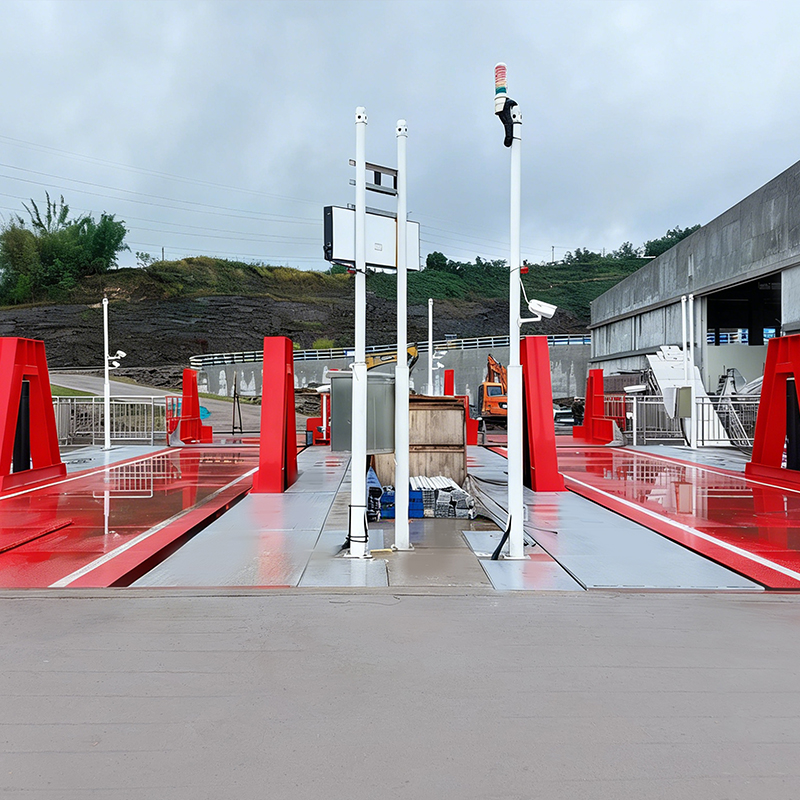
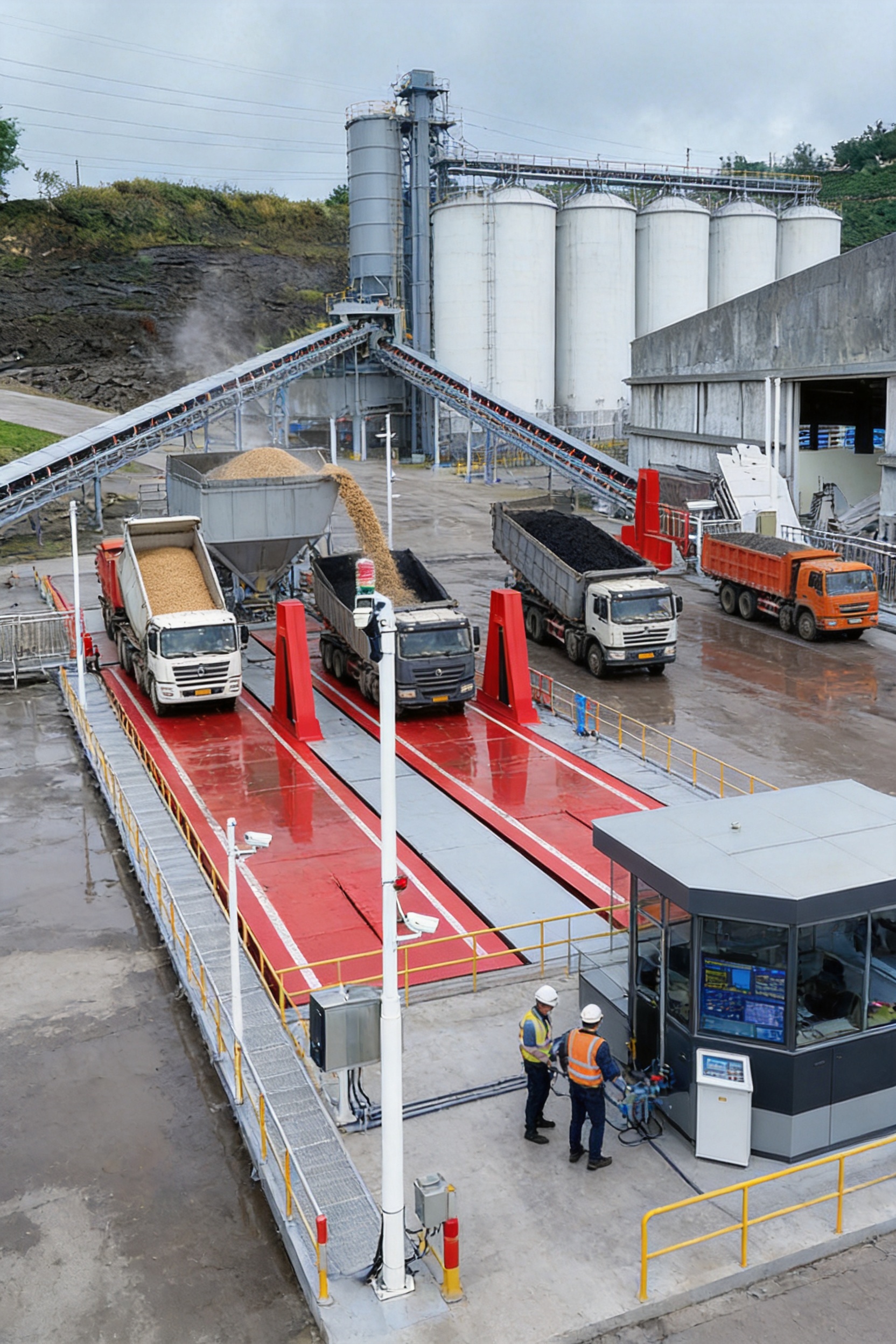
An unattended truck dumper with an integrated weighing system addresses these challenges by combining automatic vehicle unloading and automatic weight measurement in one coordinated installation. The truck enters the station, is identified, weighed, lifted, unloaded, returned to its original position, and weighed again through a controlled sequence. The driver can complete the unloading cycle with a simple one-button operation, while the central control system manages the hydraulic equipment, weighing data, traffic signals, safety interlocks, and transaction records.
This integrated approach provides more than a combination of two separate machines. It creates a unified logistics station that requires less installation space, reduces vehicle-processing time, improves measurement transparency, and supports unattended or remotely supervised operation. For facilities handling many truckloads per day, the result can be a major improvement in throughput, safety, cost control, and data quality.
Jiangsu Zhengding Intelligent Equipment Co., Ltd. designs and manufactures automated loading and unloading equipment for industrial and logistics applications. Its product range includes rear truck dumpers, side-turn truck dumpers, container flippers, car loading equipment, and other systems for automated handling. The company’s unattended truck dumpers with integrated weighing systems are developed for customers that need reliable unloading, accurate metering, and a high level of operational automation.
Unattended Truck Dumpers With Integrated Weighing System
1. What Is an Unattended Truck Dumper with an Integrated Weighing System?
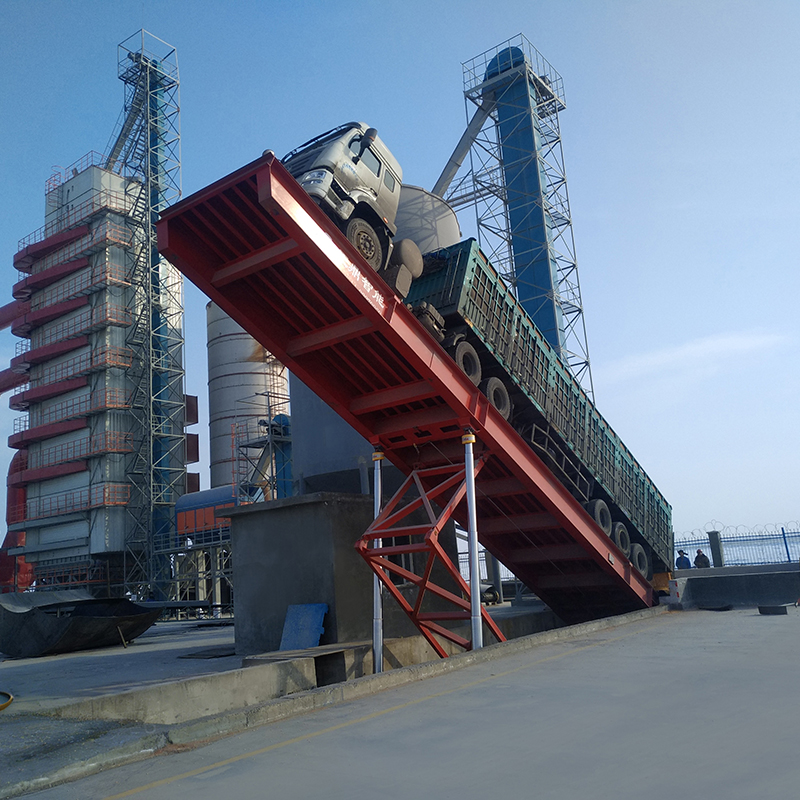
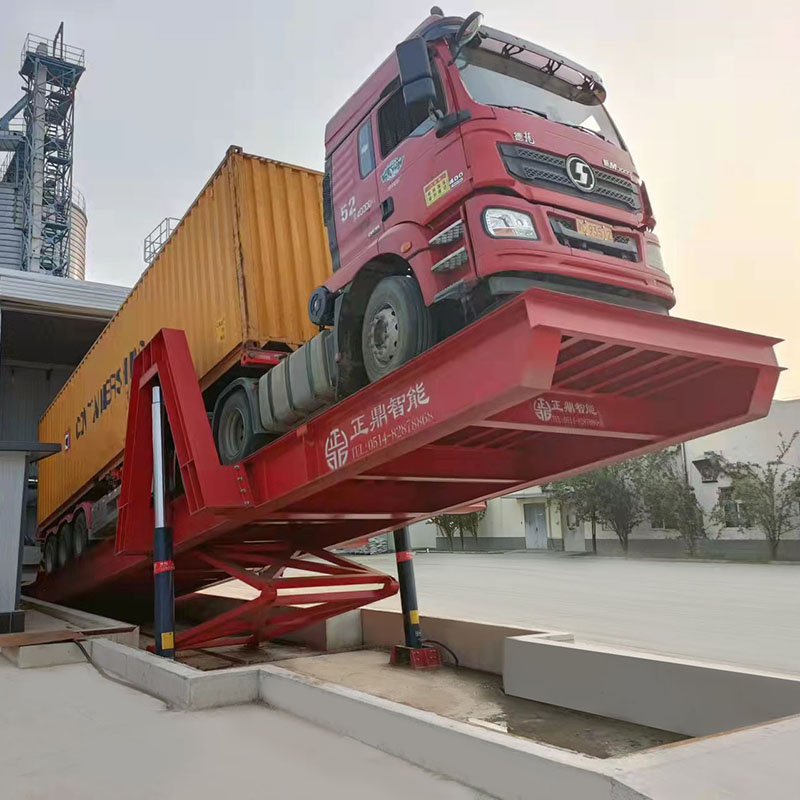
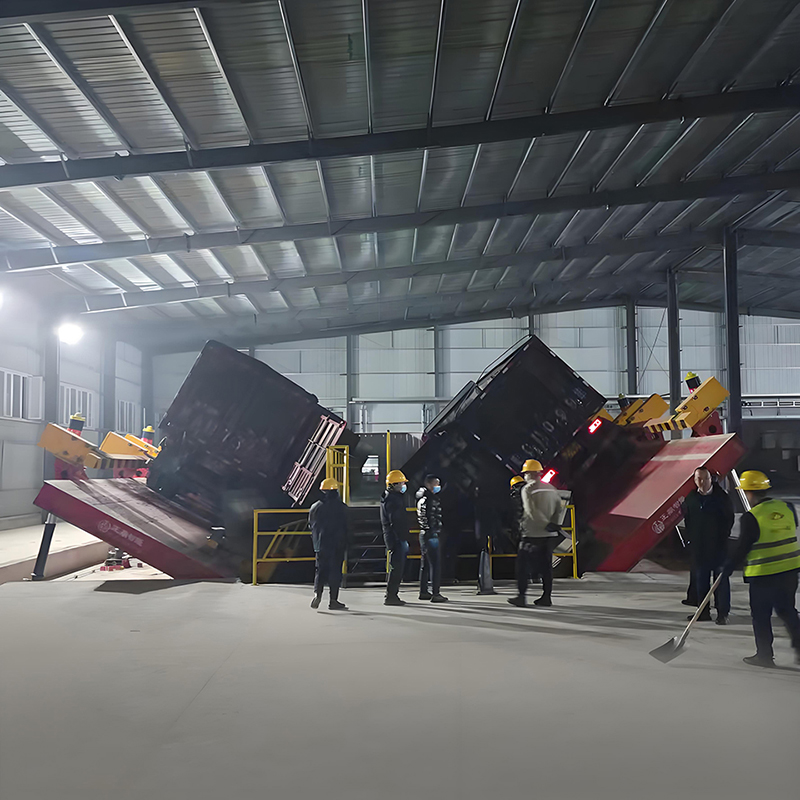
An unattended truck dumper with an integrated weighing system is an automated unloading platform that lifts and tilts a loaded truck while simultaneously managing vehicle weighing and transaction data. The dumper normally uses a heavy-duty hydraulic mechanism to raise one end of the truck or rotate the entire platform to a selected unloading angle. Depending on the material and vehicle configuration, the maximum lifting angle may reach approximately 45 or 55 degrees.
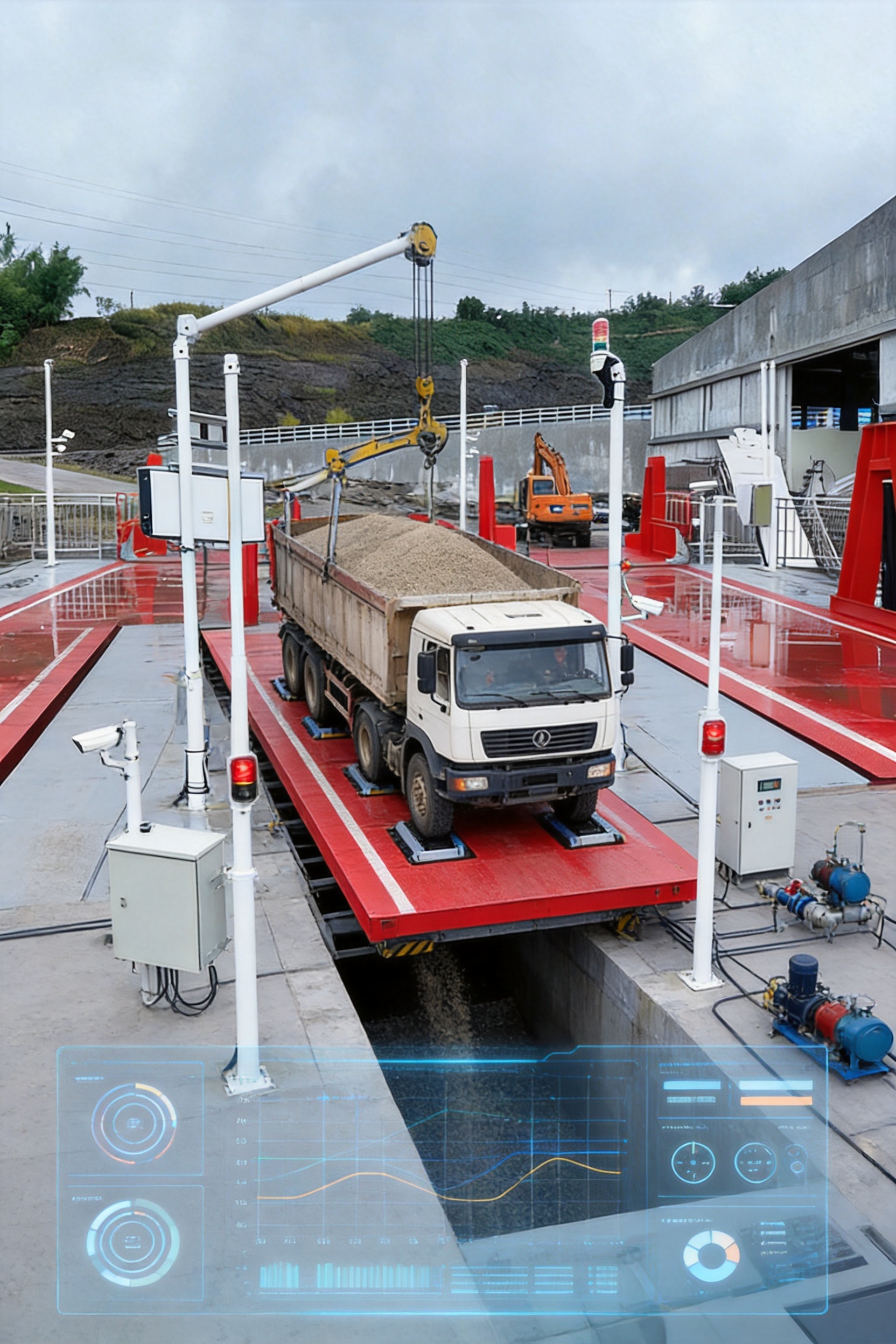
The weighing function is integrated directly into the dumper structure through precision load cells or a weighing platform. The system can record the gross weight of the loaded vehicle before unloading, the tare weight after unloading, and the net weight of the material delivered. These values are calculated automatically and can be transferred to a plant management system, enterprise resource planning platform, cloud dashboard, or digital ticketing system.
In a conventional installation, a truck may need to visit a separate weighbridge before or after unloading. The driver may also need assistance from operators who control the dumper, direct vehicle positioning, check paperwork, and manually record measurements. By placing the weighing function inside the dumper, the integrated system reduces vehicle movements and combines multiple steps into one controlled process.
The system is suitable for grain terminals, feed mills, flour mills, coal yards, cement plants, chemical facilities, waste-to-energy stations, ports, steel plants, oilseed processing plants, and other locations where bulk materials arrive by truck. It can also be adapted to facilities that require traceable supplier measurements, automated inventory records, or strict controls against unauthorized changes to weight data.
1.1 Main Operating Sequence
The operating sequence can be configured according to the requirements of the site, but a typical cycle includes the following stages:
1. Vehicle identification: The truck is recognized through a driver card, RFID tag, license plate recognition system, barcode, or another approved identification method.
2. Safe entry: Traffic lights, barriers, wheel stops, cameras, and sensors confirm that the truck has entered the correct position.
3. Gross weighing: The loaded vehicle is weighed on the integrated platform. The gross weight is associated with the vehicle identification and delivery record.
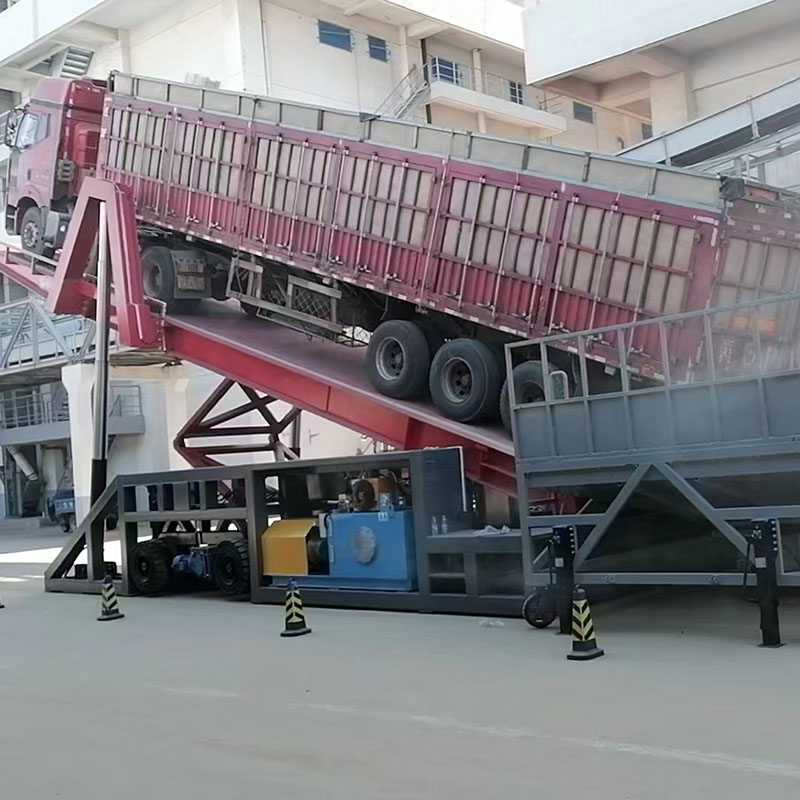
4. Hydraulic lifting: Once all safety conditions are satisfied, the hydraulic cylinders raise and tilt the platform or truck body.
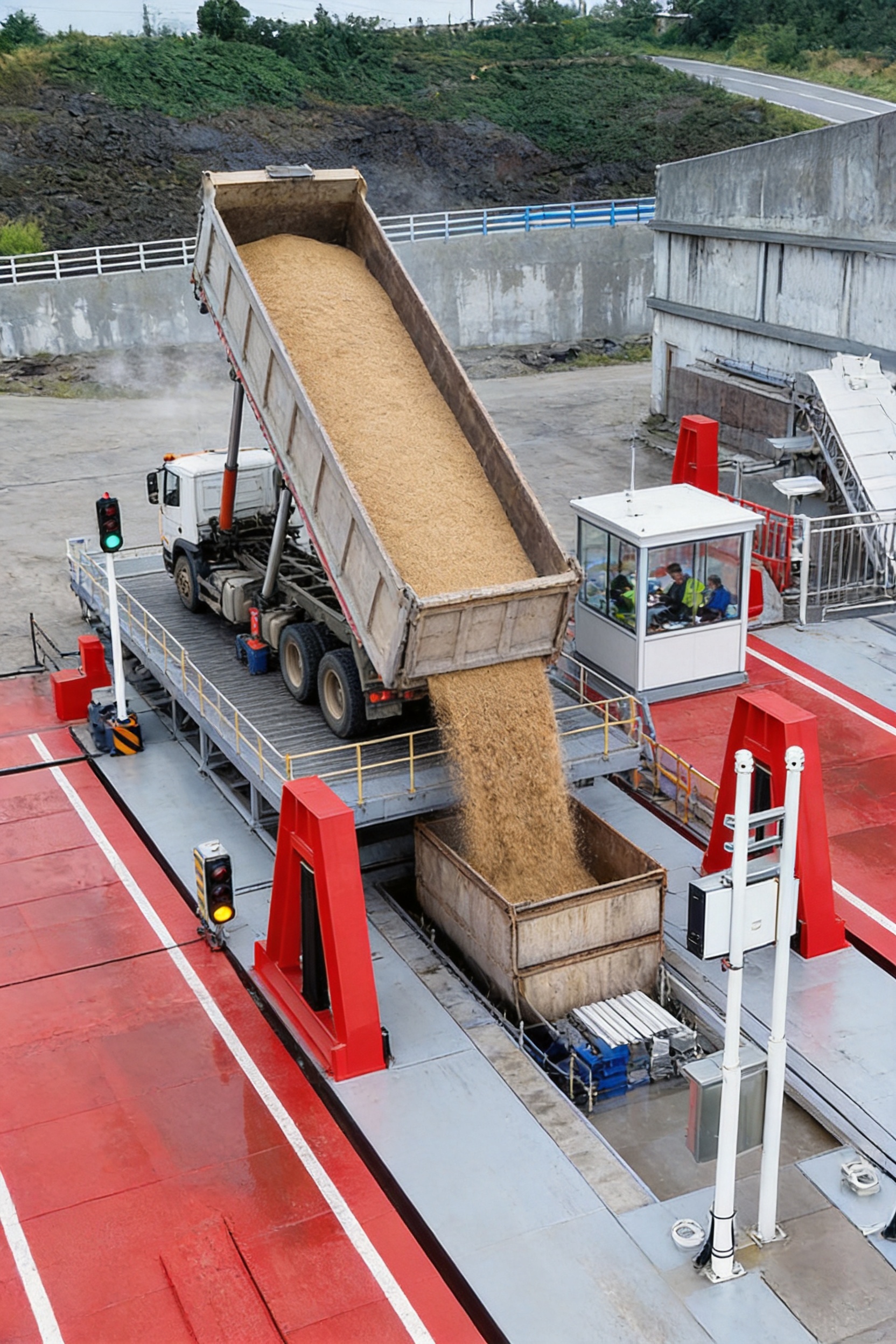
5. Automatic unloading: The material flows from the truck body into a receiving hopper, pit, conveyor, storage system, or downstream processing line.
6. Platform return: The dumper returns smoothly to its horizontal position through synchronized hydraulic control.
7. Tare weighing: The empty truck is weighed again to confirm the unloaded material quantity.
8. Net-weight calculation and reporting: The control system calculates the net load, generates a digital ticket, stores the data, and sends the result to the relevant management system.
By coordinating these stages, the equipment minimizes manual intervention and provides a consistent process for every vehicle. The exact cycle time depends on truck type, material flow, platform size, unloading conditions, traffic management, and site layout. Properly engineered systems can complete the core process in approximately three to four and a half minutes per truck under suitable operating conditions.
2. Why Integrated Weighing Is Better Than Separate Equipment
A separate weighbridge and truck dumper can perform the required functions, but the arrangement often requires additional land, more vehicle movements, and more manual coordination. The truck may need to stop at one location for weighing, move to a second location for unloading, and return to the weighbridge for a final measurement. Every additional movement creates opportunities for queuing, misidentification, traffic conflicts, and record mismatches.
An integrated dumper and weighing platform reduces these unnecessary steps. The vehicle remains in a controlled unloading zone while the system completes the weight transaction. This helps reduce the amount of space required for equipment installation and can simplify the arrangement of roads, traffic lanes, control rooms, and receiving systems.
The integrated design also improves the connection between physical material flow and digital information flow. The system knows which truck is being processed, which supplier or customer is associated with the transaction, what gross and tare weights have been recorded, whether the unloading cycle has been completed, and whether the vehicle is permitted to leave. These controls make it more difficult to exchange tickets, alter readings, or associate one truck’s weight with another truck’s delivery.
Another advantage is reduced investment in duplicate infrastructure. A facility may not need a separate weighbridge foundation, additional traffic signals, a second operator station, or an independent data-entry point. The final configuration depends on local regulations and engineering requirements, but integrating both functions can reduce the overall complexity of the unloading station.
2.1 Comparison with Conventional Manual Truck Dumping
| Performance Category | Conventional Manual Arrangement | Unattended Dumper with Integrated Weighing | Operational Advantage |
|---|---|---|---|
| Vehicle weighing | Often performed on a separate weighbridge | Performed directly on the dumper platform | Fewer vehicle movements and less site congestion |
| On-site operators | Several operators may be required per shift | Remote supervision can replace routine on-site operation | Lower labor demand and improved staffing flexibility |
| Data entry | Manual recording or ticket transfer is common | Automatic data capture and digital ticket generation | Fewer transcription and ticketing errors |
| Vehicle positioning | May depend on operator instructions | Traffic lights, sensors, cameras, and automatic wheel stops can be used | More consistent and safer positioning |
| Installation footprint | Separate unloading and weighing areas may be needed | Functions are combined into one station | More efficient use of available space |
| Fraud prevention | Multiple manual control points may create vulnerabilities | Identification, weighing, unloading, and records are linked | Improved traceability and auditability |
The integrated system does not eliminate the need for engineering design, periodic inspection, calibration, or safety management. Instead, it provides a more coordinated foundation for these activities. When properly installed and operated, it can significantly improve the consistency and transparency of truck unloading operations.
3. Product Features and Engineering Advantages
3.1 High-Precision Hydraulic Synchronization and Stability
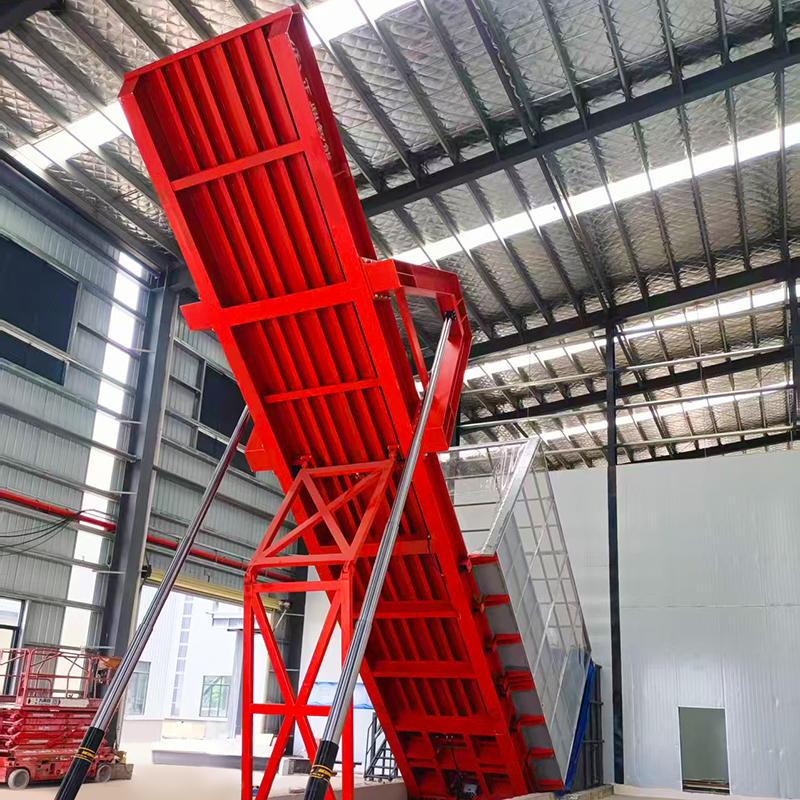
One of the most important technical requirements for a large truck dumper is stable and synchronized hydraulic movement. A platform carrying a fully loaded vehicle must rise evenly and remain structurally controlled throughout the lifting process. Uneven cylinder movement can create vibration, mechanical stress, platform distortion, or unsafe loading conditions.
The unattended truck dumpers supplied by Jiangsu Zhengding use a proprietary high-precision cylinder synchronization and stability system. The control arrangement coordinates hydraulic cylinder movement so that the platform rises and returns smoothly. This reduces sudden movement and limits the impact transferred to cylinders, pins, frames, and other structural components.
Reduced vibration provides several benefits. It improves the driver’s perception of safety, protects the truck and dumper structure, reduces noise and shock, and helps extend the service life of hydraulic components. Smooth movement is also valuable when the weighing system is integrated into the platform because unstable motion can interfere with the timing and reliability of weight measurements.
The hydraulic circuit, cylinder arrangement, structural frame, lifting angle, and control logic must be selected according to the truck dimensions, rated capacity, material characteristics, and site conditions. A professional manufacturer can adapt the design to different platform lengths, vehicle types, receiving pit arrangements, and unloading requirements.
3.2 Fully Automatic Wheel-Stop Device
Correct vehicle positioning is essential for safe lifting and dependable weighing. An optional automatic wheel-stop device can lock the vehicle in the proper position without requiring an operator to approach the truck and direct the driver with a remote control.
This feature is particularly useful in dusty environments such as grain terminals, coal handling facilities, cement plants, and mineral processing sites. By keeping personnel away from the immediate vehicle area, the system reduces exposure to dust, moving equipment, and vehicle traffic. The wheel-stop function can also be connected to the main control logic so that lifting is prevented unless the vehicle is properly positioned.
Automatic wheel stops improve operating efficiency because drivers do not need to wait for repeated manual instructions. Combined with traffic lights, entry barriers, cameras, and vehicle identification, the system creates a more predictable and repeatable unloading sequence.
3.3 High-Quality Hydraulic and Electrical Components
The reliability of a truck dumper depends heavily on the quality of its cylinders, pumps, valves, sensors, control cabinets, load cells, and safety devices. Jiangsu Zhengding emphasizes the use of high-quality components, with major hydraulic cylinders and pumps sourced from recognized international suppliers when required by the project.
Reliable components help reduce unplanned downtime and simplify spare-parts management. They also support stable operation under demanding industrial conditions, including frequent lifting cycles, heavy dust, temperature changes, and continuous truck traffic. Component selection can be adjusted to meet a customer’s preferred brands, maintenance strategy, local service capabilities, or project specification.
3.4 Fully Unattended Operation
The equipment can be configured for fully unattended operation in which the driver completes the basic unloading process independently. A one-button command can initiate the approved operating sequence after the system confirms that identification, positioning, safety sensors, and unloading conditions are correct.
Unattended operation does not mean that safety supervision is removed. Instead, routine manual operation is replaced by sensors, interlocks, programmed logic, cameras, alarms, and remote monitoring. A supervisor can monitor multiple truck dumpers from a control room or central platform rather than assigning one operator to each unit.
This is especially valuable at facilities with several unloading stations. A single control team may supervise multiple machines, review alarms, verify transactions, and coordinate maintenance. The arrangement can lower labor costs while making operating procedures more consistent across the site.
3.5 Integrated Digital Records
Automated weighing produces a digital record for each vehicle transaction. The record can include truck identification, supplier or customer information, gross weight, tare weight, net weight, time stamps, unloading status, operator authorization, alarm history, and other project-specific data.
Automated ticket generation reduces the possibility of handwriting errors and eliminates much of the repetitive data-entry work associated with manual weighing. The information can be transmitted to a plant management system or exported in formats such as PDF, Excel, or JSON, depending on the customer’s software requirements.
Cloud-based dashboards can provide authorized users with information about total tonnage, average load, peak operating periods, vehicle queues, discrepancy records, and equipment status. This supports better scheduling, inventory planning, supplier management, and production coordination.
4. Technical Specifications and Model Selection
The correct model must be selected according to the truck dimensions, maximum gross weight, unloading material, desired throughput, platform foundation, and required lifting angle. Jiangsu Zhengding provides several models for different capacity and dimensional requirements.
| Model | Available Platform Size Options, L × W in Meters | Maximum Lifting Weight | Maximum Lifting Angle |
|---|---|---|---|
| TQXHW50 | 14 × 3, 16 × 3, or 17 × 3 | 80 tons | 45° or 55° |
| TQXHW80 | 16 × 3, 17 × 3, or 18 × 3 | 80 tons | 45° or 55° |
| TQXHW100 | 17 × 3, 18 × 3, or 20 × 3 | 100 tons | 45° or 55° |
| TQXHW150 | 17 × 3, 18 × 3, or 20 × 3 | 150 tons | 45° or 55° |
The figures above represent the principal model range provided in the product information. The final working capacity must be confirmed through engineering evaluation because the safe operating limit depends on the vehicle configuration, axle distribution, platform structure, foundation, loading position, and local safety requirements.
Platform width is commonly designed around the dimensions of the trucks expected to use the station. Platform length must provide adequate support for the vehicle while ensuring that the load distribution remains within the design range. The receiving hopper and downstream conveyor must also be matched to the unloading angle and material characteristics.
For high-throughput facilities, model selection should be considered together with traffic planning. A dumper with a high lifting capacity may not deliver the expected output if trucks cannot approach and leave efficiently. Entrance lanes, turning radii, traffic signals, vehicle identification, queue areas, receiving equipment, and maintenance access all influence the real performance of the installation.
4.1 Weighing System Configuration
The weighing system can use multiple sealed load cells installed beneath the dumper platform. The load cells transfer the vehicle load to precision measurement points, while the weighing controller filters vibration and calculates a stable reading.
In demanding environments, hermetically sealed load cells with strong protection against moisture, dust, and electrical surges can be selected. A redundant controller or backup communication arrangement may also be used to improve availability and protect measurement data in the event of a control-system fault.
Calibration and verification requirements vary by country, industry, and commercial application. Facilities that use the system for legal-for-trade transactions must ensure that the final equipment configuration, calibration procedure, certificates, and operating practices comply with the applicable national metrology regulations. The manufacturer can support customers by coordinating the weighing design with local certification requirements.
5. Advanced Manufacturing and Quality-Control Strengths
The performance of a truck dumper is determined not only by its design but also by the quality of manufacturing, assembly, testing, and installation. A heavy-duty lifting platform must maintain alignment under repeated loading cycles, and all hydraulic, structural, electrical, and weighing components must work together as one system.
Jiangsu Zhengding Intelligent Equipment Co., Ltd. is a national high-tech enterprise engaged in the research, development, manufacturing, and sales of intelligent automated loading and unloading equipment. Its manufacturing capabilities cover equipment for automobiles, containers, ships, and industrial logistics applications.
5.1 Engineering Design and Customization
Each unloading project has different requirements. Truck dimensions may vary, the material may be free-flowing or sticky, the receiving hopper may be above or below ground, and the facility may need special controls for dust, explosion risk, hygiene, corrosion, or cold weather. A standardized product platform provides efficiency, but project-specific engineering is necessary to achieve a suitable final installation.
The company can adapt dumper length, width, lifting capacity, lifting angle, hydraulic arrangement, control method, weighing configuration, vehicle identification system, and data interface. It can also coordinate the dumper with conveyors, hoppers, gates, dust-collection systems, storage silos, and production lines.
Customization may also include remote control, automatic wheel stops, traffic lights, license plate recognition, RFID identification, video monitoring, access barriers, digital ticketing, and enterprise software connectivity. These options allow the same core equipment concept to be applied to small industrial sites as well as large multi-dumper terminals.
5.2 Structural Manufacturing
The dumper frame must withstand repeated loads, hydraulic forces, impact from heavy trucks, and environmental exposure. Structural manufacturing therefore requires careful material selection, cutting, forming, welding, dimensional inspection, and surface treatment.
High-quality fabrication helps maintain the alignment of pivot points, cylinder mounts, platform supports, and load-cell interfaces. Accurate assembly is especially important for integrated weighing because uneven contact or mechanical interference can affect measurement stability.
Before delivery, the structure should be checked for dimensional accuracy, weld quality, hydraulic-cylinder alignment, platform movement, and proper clearance. The final inspection process can include unloaded movement tests, simulated loading tests, hydraulic pressure checks, electrical control verification, and weighing-system calibration checks.
5.3 Hydraulic System Assembly
The hydraulic system must provide enough force to lift the specified truck load while maintaining controlled movement. Proper selection of pumps, valves, cylinders, pipelines, filters, oil tanks, and safety devices is essential for both performance and service life.
Hydraulic assembly requires cleanliness because contamination can damage valves and reduce the reliability of the system. Pipe connections must be tightened correctly, hoses must be routed away from abrasion and excessive bending, and the system must be inspected for leakage and pressure stability.
The synchronization system is tested to confirm that cylinders move together within the required tolerance. The return movement is also checked because uncontrolled descent or uneven lowering could damage the equipment or create a safety hazard.
5.4 Intelligent Control-System Integration
The PLC-based control system acts as the operating center of the dumper. It manages hydraulic commands, load-cell signals, sensors, wheel stops, traffic signals, access control, alarms, cameras, and communication with external systems.
Safety interlocks can prevent operation when a truck is not correctly positioned, a gate is open, a maintenance lock is active, a sensor reports an unsafe condition, or the platform has not reached the required position. Emergency-stop devices allow personnel to stop movement immediately when necessary.
Software testing should verify normal cycles, abnormal conditions, communication loss, sensor faults, overload protection, power recovery, manual maintenance mode, and emergency shutdown. This type of testing helps ensure that the equipment is not only fast but also predictable under unusual conditions.
5.5 Factory Testing and Site Commissioning
Factory acceptance testing allows the manufacturer and customer to review the principal functions before shipment. The inspection may cover structural quality, hydraulic operation, control logic, weighing signals, identification equipment, safety devices, alarm functions, and data transmission.
After installation, site commissioning confirms that the dumper works correctly with the customer’s foundation, receiving equipment, power supply, network, traffic lanes, and enterprise software. Trial runs with representative trucks and materials help identify any adjustments needed for vehicle positioning, material flow, weighing stability, and cycle timing.
This combination of factory inspection and site commissioning reduces project risk. It also gives operators and maintenance personnel an opportunity to learn the correct operating procedures before the equipment enters full production.
6. Operational Benefits for Industrial Facilities
6.1 Lower Labor Costs
A conventional unloading station may require personnel to direct vehicles, operate the dumper, record weights, print tickets, and resolve routine data issues. An unattended system transfers these repetitive activities to automated controls. Remote supervision may still be required, but one supervisor can oversee several stations instead of assigning one operator to each dumper.
Labor savings depend on local wages, operating hours, staffing levels, and the number of installed dumpers. Facilities with several truck unloading points generally have greater opportunities to reduce labor demand because one control team can manage multiple automated units.
6.2 Faster Truck Processing
Automatic identification, guided positioning, synchronized lifting, automatic weighing, and digital ticket generation help reduce waiting time. Drivers do not need to leave their vehicles to submit paperwork or wait for repeated manual instructions. The system can also organize the traffic sequence through signals and barriers.
Higher throughput is valuable during harvest seasons, production peaks, ship-loading windows, and other periods when trucks arrive in large numbers. Reducing the average cycle time can increase daily capacity without requiring a proportional expansion of the receiving area.
6.3 Improved Weighing Accuracy
Measurement errors can result from overloaded or poorly positioned vehicles, unstable platforms, manual data entry, incorrect truck identification, or inconsistent operating practices. Integrated load cells, programmed weighing sequences, automatic identification, and stable hydraulic control help reduce these sources of error.
The product information indicates that integrated systems may achieve weighing accuracy in the approximate range of ±0.2% to ±0.5% of the applied load, depending on the final design, calibration, operating conditions, and applicable standards. Actual performance must be verified through commissioning and local certification procedures.
6.4 Fraud Prevention and Auditability
When weighing and unloading are managed through separate manual steps, it may be difficult to determine whether the correct vehicle, material, and ticket have been matched. Linking the vehicle identifier, gross weight, tare weight, net weight, unloading status, and time stamp creates a stronger audit trail.
Digital records can be protected through user permissions, encrypted communications, local backups, cloud storage, digital signatures, and event logs. These measures help detect unauthorized modifications and provide a reliable record for commercial settlement, inventory reconciliation, supplier evaluation, and regulatory review.
6.5 Safer Working Conditions
Unattended operation reduces the need for personnel to remain close to moving trucks, hydraulic platforms, dusty receiving pits, and heavy material streams. Automatic wheel stops, traffic signals, cameras, interlocks, and emergency controls help separate people from hazardous movements.
Safety remains a shared responsibility among the equipment manufacturer, site owner, operators, drivers, and maintenance teams. Clear procedures, training, warning signs, protective barriers, regular inspections, and strict lockout practices are essential regardless of the degree of automation.
6.6 Better Space Utilization
Combining weighing and unloading functions can reduce the need for separate equipment areas. This may be important at existing plants where land is limited or where the traffic layout cannot easily accommodate an additional weighbridge.
A smaller and more coordinated arrangement can also reduce vehicle travel distances, simplify cable and network routing, and make it easier to connect the dumper to hoppers, conveyors, silos, and production lines. The final footprint must be confirmed through a site survey and civil-engineering design.
7. Suitable Industries and Applications
7.1 Grain, Feed, and Food Processing
Grain terminals, feed mills, flour mills, rice-processing plants, and oilseed facilities receive large volumes of agricultural materials by truck. Accurate weighing is essential because transactions may involve many suppliers and multiple grades of material.
An unattended dumper can connect directly to a receiving pit or conveyor while the digital system records supplier, vehicle, weight, and unloading time. Dust-control equipment, hygienic materials, cleaning access, and suitable receiving designs can be incorporated according to the product being handled.
7.2 Coal, Minerals, and Cement
Coal yards, mineral-processing facilities, cement plants, and aggregate terminals often operate in dusty and demanding environments. Robust hydraulic equipment, sealed sensors, automatic wheel stops, and remote monitoring are especially valuable in these applications.
Integrated weighing helps compare incoming material quantities with production and inventory records. It can also support supplier settlement and identify discrepancies between dispatch weights and receiving weights.
7.3 Chemical and Oilseed Facilities
Chemical plants and oilseed-processing facilities may require strict control of material identification, vehicle access, loading records, and traceability. The control system can be configured to manage authorized vehicles, specific unloading bays, and data communication with plant software.
Where hazardous materials or classified areas are involved, the complete project must comply with relevant electrical, fire, environmental, and process-safety requirements. Equipment options should be selected through a qualified engineering review.
7.4 Waste-to-Energy and Municipal Waste Facilities
Waste-receiving stations process a high number of vehicles and require accurate records of incoming quantities. Automated identification and unattended weighing can help manage municipal trucks, contracted haulers, and commercial waste suppliers.
The equipment can be arranged with receiving hoppers, enclosed tipping areas, cameras, access barriers, and digital reporting. Special attention should be given to corrosion protection, cleaning procedures, odor control, and debris management.
7.5 Ports, Steel Plants, and Large Logistics Terminals
Ports and industrial terminals often need to process trucks continuously during limited loading or unloading windows. Faster cycles, reduced manual coordination, and centralized supervision can improve the utilization of the receiving infrastructure.
Jiangsu Zhengding also provides automated equipment for containers, vehicles, and other logistics applications. This broader product capability enables customers to discuss truck unloading and related material-handling needs with one equipment supplier.
8. Maintenance, Reliability, and Service Life
A preventive maintenance program is necessary to preserve the accuracy and availability of an unattended truck dumper. Maintenance requirements include hydraulic inspections, lubrication, structural checks, weighing verification, electrical testing, sensor cleaning, software backups, and safety-device inspection.
8.1 Hydraulic Maintenance
Operators should check hydraulic oil level, oil cleanliness, hose condition, cylinder seals, valve performance, pump noise, and signs of leakage. Filters should be replaced according to the operating environment and manufacturer recommendations. Hydraulic oil selection must consider the local temperature range and the required performance of the equipment.
In cold climates, low-temperature hydraulic oil and tank heaters may be required. In hot and dusty environments, cooling capacity, filtration, sealing, and cleaning procedures become especially important.
8.2 Weighing-System Maintenance
Load cells and junction boxes should be protected from impact, water ingress, cable damage, and material buildup. The platform should be kept clear of debris that could interfere with free movement or create false contact points.
Calibration verification is commonly recommended at least every twelve months for commercial weighing applications, although the actual schedule depends on local regulations, operating intensity, and facility policy. Any unusual drift, unstable readings, or differences between expected and recorded weights should be investigated promptly.
8.3 Structural and Safety Inspections
Inspection personnel should check welds, bolts, pins, hinges, platform plates, wheel stops, guardrails, access ladders, and foundation interfaces. Safety barriers, emergency-stop buttons, traffic lights, alarms, cameras, and interlocks must be tested at defined intervals.
Maintenance work beneath or around a raised platform must follow strict lockout and mechanical-support procedures. Hydraulic pressure must be isolated, the platform must be secured, and unauthorized movement must be prevented before personnel enter hazardous areas.
8.4 Expected Reliability
Reliability depends on correct design, loading discipline, preventive maintenance, environmental protection, and operator training. The product information reports long-term field operation with high system availability for installed units. Such figures should be regarded as reference performance rather than a guarantee for every site, because local conditions and maintenance practices have a direct effect on actual uptime.
9. Environmental and Extreme-Weather Adaptation
Unattended truck dumpers can be configured for operation in a broad range of climates. Load cells and electrical enclosures may be selected with high ingress protection, while hydraulic systems can use suitable oil, heaters, coolers, and insulation for local conditions.
In cold regions, the system may require heated control cabinets, low-temperature hydraulic fluid, preheating procedures, snow and ice management, and protected drainage. In hot climates, ventilation, heat dissipation, shade, and hydraulic-oil cooling may be necessary.
In high-dust environments, sealed components, filtered cabinets, protected connectors, regular cleaning, and suitable cable routing help preserve reliability. In coastal or chemically corrosive environments, surface coatings, stainless-steel components, drainage, and corrosion-resistant fasteners may be considered.
Weather protection should be evaluated as part of the total station design. A dumper may operate reliably while other elements, such as traffic sensors, cameras, network devices, or receiving hoppers, become the limiting factor. A complete environmental review therefore provides better results than selecting protection for the dumper alone.
10. Implementation Process for a New Project
A successful automated dumper project begins with accurate information about the customer’s operating conditions. The manufacturer should review truck dimensions, maximum weights, material properties, daily truck numbers, peak traffic, unloading temperature, dust levels, foundation conditions, local standards, and required data interfaces.
10.1 Site Survey and Requirement Confirmation
The site survey examines available space, vehicle approach roads, turning areas, receiving equipment, drainage, power supply, network access, control-room location, maintenance access, and emergency routes. The survey should also identify any height restrictions, underground services, existing foundations, and potential interference with plant operations.
10.2 Process and Layout Design
After the survey, the supplier develops the process flow and equipment layout. This includes truck entry, identification, weighing, unloading, exit, queue management, receiving-hopper connection, and operator supervision.
The design should consider whether trucks are weighed before and after unloading on the same platform, whether a separate verification scale is required, how rejected or abnormal loads are handled, and how the system communicates with the customer’s management software.
10.3 Manufacturing and Factory Inspection
Once the technical specification is approved, the equipment is manufactured, assembled, wired, programmed, and inspected. The customer may review drawings, component lists, hydraulic diagrams, electrical schematics, software functions, and inspection records during this stage.
10.4 Installation and Commissioning
Installation includes foundation preparation, dumper positioning, hydraulic connections, electrical wiring, weighing-system setup, sensor installation, traffic-control integration, and communication-network connection. Commissioning then verifies movement, safety logic, weighing performance, unloading flow, and data exchange.
10.5 Operator Training and Handover
Training should cover normal operation, emergency stopping, alarm response, manual maintenance mode, weighing verification, cleaning, inspection, and basic troubleshooting. Maintenance personnel should receive additional instruction on hydraulic systems, load cells, PLC controls, spare parts, and lockout procedures.
11. How the Equipment Compares with Competing Solutions
Customers evaluating truck dumpers often compare a conventional rear dumper, a side-turn dumper, a separate weighbridge, and a fully integrated automated station. Each solution can be suitable for a particular application, but the integrated unattended configuration offers several distinctive advantages.
Compared with a basic dumper without weighing, the integrated model provides direct measurement of the truck transaction. This reduces the need for separate scales and helps connect the unloading event to the final material record.
Compared with a manual dumper, the unattended system reduces operator involvement, improves repeatability, and provides more detailed data. This is particularly advantageous when the facility processes many trucks or operates several dumper stations.
Compared with a separate weighbridge and dumper arrangement, the integrated design can reduce traffic movements and installation space. It also minimizes the risk that the gross or tare reading will be matched to the wrong unloading event.
Compared with low-cost equipment that relies heavily on manual controls, a professionally engineered system provides better opportunities for synchronized hydraulics, automatic wheel locking, safety interlocks, remote supervision, digital reporting, and integration with plant software.
The most important competitive advantage is not a single component. It is the combination of mechanical strength, hydraulic stability, weighing accuracy, intelligent controls, automation, customization, and service support. Jiangsu Zhengding’s broader experience with vehicle and container loading and unloading equipment allows it to develop integrated solutions rather than supplying an isolated lifting platform.
12. Frequently Asked Questions
Q1: Can one driver operate the unloading process independently?
Yes. When the system is configured for unattended operation, the driver can complete the standard cycle after the truck is correctly identified and positioned. A one-button command can start the authorized sequence. Safety interlocks, sensors, traffic signals, and wheel stops confirm that the conditions are suitable before lifting begins.
Q2: Does unattended operation mean that no one monitors the equipment?
No. Unattended operation means that routine on-site manual operation is not required. The equipment can still be supervised remotely through a control room, dashboard, camera system, or alarm platform. A responsible person should be available to respond to abnormal conditions, maintenance needs, and safety events.
Q3: What types of vehicles can use the truck dumper?
The suitable vehicle types depend on the platform length, width, rated capacity, axle arrangement, wheelbase, truck-body design, and unloading requirements. The manufacturer should receive detailed vehicle drawings or dimensions before confirming the final model.
Q4: Can the dumper weigh the truck before and after unloading?
Yes. The integrated weighing system can record the gross weight of the loaded vehicle and the tare weight after unloading. The net material weight is then calculated automatically. The weighing sequence can be adapted to the customer’s process and applicable metrology requirements.
Q5: Is an automatic wheel-stop device necessary?
It is optional, but it is highly useful for unattended facilities and dusty industrial environments. The device helps position the truck consistently, reduces the need for operator guidance, and can be connected to the safety-control system so that lifting is prevented unless the truck is correctly secured.
Q6: Can the system be connected to an ERP or plant-management platform?
Yes. The control system can be designed for data communication with enterprise resource planning software, warehouse systems, production management platforms, and customer databases. Available interfaces and data formats should be confirmed during the project design stage.
Q7: Can an existing truck dumper be upgraded with weighing and automation?
In many cases, an existing dumper can be retrofitted with load cells, a PLC control system, vehicle identification, automatic wheel stops, safety sensors, and digital reporting. The feasibility depends on the structural condition, platform design, available space, hydraulic arrangement, and foundation. A technical inspection is required before confirming the retrofit scope.
Q8: How often should the weighing system be calibrated?
For commercial weighing, annual verification is commonly recommended, but the required schedule depends on local regulations and the specific application. More frequent checks may be appropriate for high-volume sites, harsh environments, or applications involving valuable materials.
Q9: Can the equipment operate in very cold or hot climates?
Yes, with appropriate configuration. Low-temperature hydraulic oil, heaters, insulated cabinets, and cold-weather procedures may be required in freezing conditions. Cooling systems, ventilation, heat-resistant components, and suitable enclosure protection may be needed in hot environments.
Q10: What information is needed to select the correct model?
Important information includes truck length and width, maximum gross weight, axle configuration, truck-body type, material density and flow behavior, expected trucks per hour, unloading angle, receiving-hopper arrangement, local climate, power supply, site dimensions, weighing regulations, and desired software connections.
Q11: What materials can be unloaded?
The equipment can be used for many bulk materials, including grain, feed, coal, cement, minerals, aggregates, chemical raw materials, oilseed products, and waste. The material’s moisture, particle size, temperature, abrasiveness, flowability, and contamination risk should be evaluated when designing the receiving hopper and downstream equipment.
Q12: How does the system help prevent weighing fraud?
Vehicle identification, automatic gross and tare weighing, digital records, user permissions, time stamps, audit trails, and communication controls link each measurement to a specific unloading event. These functions make unauthorized changes easier to detect and reduce the opportunities for ticket exchange or manual alteration.
13. Supplier Capability and Global Experience
Jiangsu Zhengding Intelligent Equipment Co., Ltd. provides automated loading and unloading solutions for vehicles, containers, ships, and related logistics operations. Its equipment is used across industries including steel, chemicals, cement, coal, grain, oil, food, feed, ports, papermaking, and new energy.
The company serves domestic and international markets, with products exported to countries and regions such as Japan, Brazil, Egypt, Pakistan, India, the Middle East, and Southeast Asia. Its international customer experience includes users associated with beverage production, grain handling, agricultural commodities, food processing, chemicals, construction materials, and global logistics.
This industry diversity is important because truck-dumper requirements vary considerably from one application to another. A grain terminal may prioritize dust control and supplier weighing, while a cement plant may prioritize abrasion resistance and high throughput. A chemical facility may require strict access control and traceability, while a port may require rapid vehicle circulation and integration with large-scale logistics software.
By combining equipment manufacturing, intelligent control, hydraulic engineering, weighing integration, and project customization, the company can support customers from initial planning through manufacturing, installation, commissioning, training, and after-sales service.
14. Conclusion
Unattended truck dumpers with integrated weighing systems represent an important development in bulk-material logistics. By combining automatic unloading and accurate weighing in one platform, they reduce unnecessary vehicle movements, simplify site layout, improve data traceability, lower labor requirements, and create a safer and more consistent operating environment.
The most valuable benefits arise from the complete system rather than from the dumper alone. High-precision hydraulic synchronization supports stable lifting. Automatic wheel stops improve vehicle positioning. Quality cylinders, pumps, load cells, sensors, and controls support long-term reliability. Digital records connect every truck transaction to its gross weight, tare weight, net material quantity, and unloading event.
For facilities processing many trucks or operating several unloading stations, unattended operation can provide substantial advantages over conventional manual solutions. Remote supervision, automatic ticket generation, ERP connectivity, fraud-prevention controls, and configurable reporting further improve management visibility.
Jiangsu Zhengding Intelligent Equipment Co., Ltd. combines automated equipment manufacturing with customized engineering for different industries and operating environments. Its unattended truck dumpers with integrated weighing systems are suitable for customers seeking efficient, measurable, and scalable truck-unloading operations.
Before purchasing, each customer should complete a technical assessment covering vehicle dimensions, capacity, materials, site layout, weighing regulations, environmental conditions, data requirements, maintenance resources, and future expansion. With correct selection, professional installation, and preventive maintenance, an integrated unattended dumper can become a dependable core component of a modern bulk-handling facility.
References
1. Jiangsu Zhengding Intelligent Equipment Co., Ltd. Product information for unattended truck dumpers with integrated weighing systems.
2. Jiangsu Zhengding Intelligent Equipment Co., Ltd. Technical information for automated loading and unloading equipment, rear dumpers, side-turn truck dumpers, and container handling systems.
3. International Organization of Legal Metrology. Recommendations concerning non-automatic weighing instruments and weighing-system verification practices.
4. National Institute of Standards and Technology. Handbook guidance concerning commercial vehicle scales and legal-for-trade weighing applications.
5. International Organization for Standardization. General principles for quality management, industrial equipment manufacturing, and equipment maintenance.
6. Hydraulic Institute. General engineering principles for industrial hydraulic power systems and component reliability.
7. Industrial safety guidance concerning machine guarding, emergency stops, lockout procedures, vehicle traffic management, and automated material-handling equipment.


