

 English
 русский
 Español
 Français
 Português
 عربى
عربى


+86-13588556918
Content
- 1 1. What Is a Shallow Foundation Truck Dumper?
- 2 2. Why the Shallow Foundation Design Is a Competitive Advantage
- 3 3. Hydraulic Lifting and Synchronous Stability System
- 4 4. Automatic Wheel Retention and Operator Safety
- 5 5. Unmanned and Driver-Assisted Operation
- 6 6. Materials Handled by Shallow Foundation Truck Dumpers
- 7 7. Handling Wet, Sticky, and Cohesive Materials
- 8 8. Wear-Resistant and Hygienic Platform Options
- 9 9. Main Technical Parameters and Model Selection
- 10 10. Manufacturing and Engineering Strengths
- 11 11. Comparison with Conventional Deep-Pit Truck Dumpers
- 12 12. Safety, Reliability, and Service Life
- 13 13. Applications in Major Industries
- 14 14. Project Engineering and Installation Process
- 15 15. Maintenance Recommendations
- 16 16. Frequently Asked Questions
- 16.1 Q1: What is the main difference between a shallow foundation truck dumper and a conventional dumper?
- 16.2 Q2: How much can civil construction costs be reduced?
- 16.3 Q3: What materials can the equipment handle?
- 16.4 Q4: Can it handle wet or sticky materials?
- 16.5 Q5: What is the maximum particle size?
- 16.6 Q6: Is a food-grade version available?
- 16.7 Q7: Can the dumper operate without a dedicated professional operator?
- 16.8 Q8: What lifting capacities are available?
- 16.9 Q9: What lifting angles are available?
- 16.10 Q10: How long do the liners last?
- 16.11 Q11: Can the system connect to conveyors and storage equipment?
- 16.12 Q12: What information is needed for a quotation and final design?
- 17 17. Why Choose an Integrated Equipment Manufacturer?
- 18 18. Conclusion
- 19 References
- 20 Company Contact Information
- 21 Product: Shallow Foundation Truck Dumpers
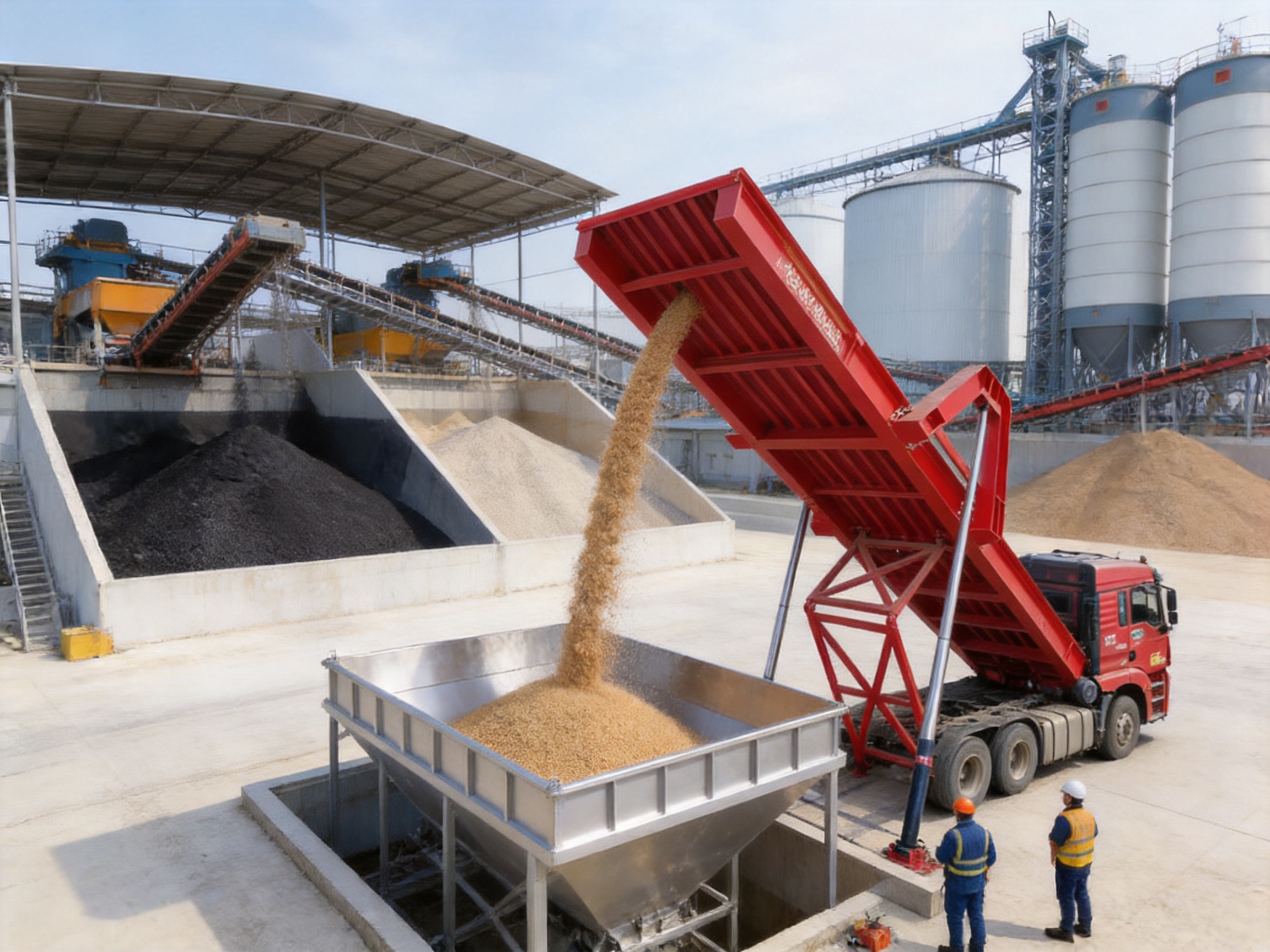
Shallow foundation truck dumpers are designed for industrial facilities that need reliable truck unloading without the excavation depth, construction expense, and installation complexity associated with conventional deep-pit dumpers. By using a low-profile platform and a shallow foundation structure, this type of equipment provides an efficient alternative for grain terminals, feed mills, cement plants, chemical facilities, coal yards, mineral processing sites, ports, and other bulk-material operations.
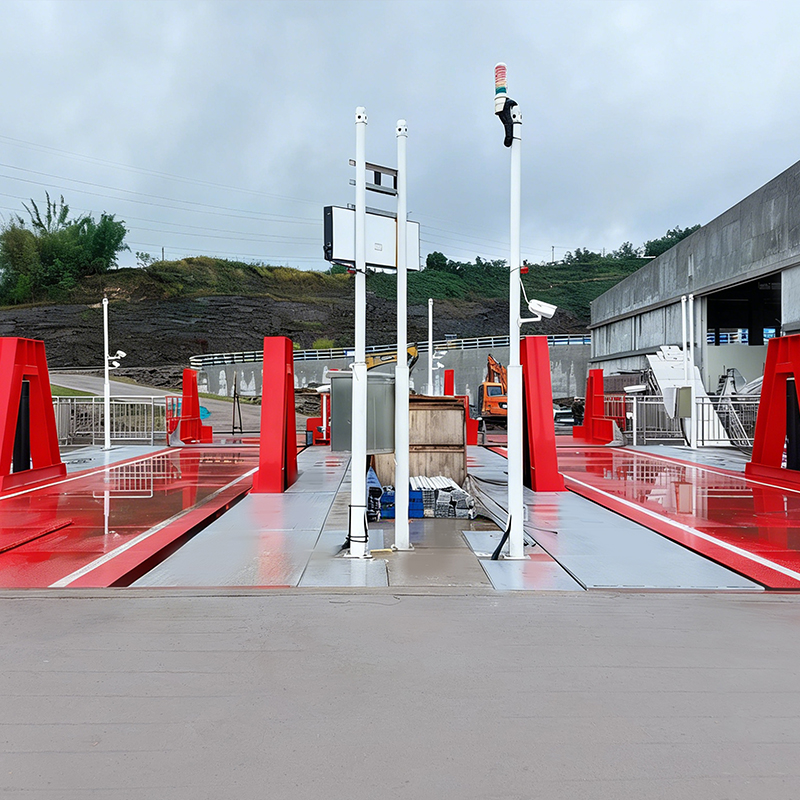
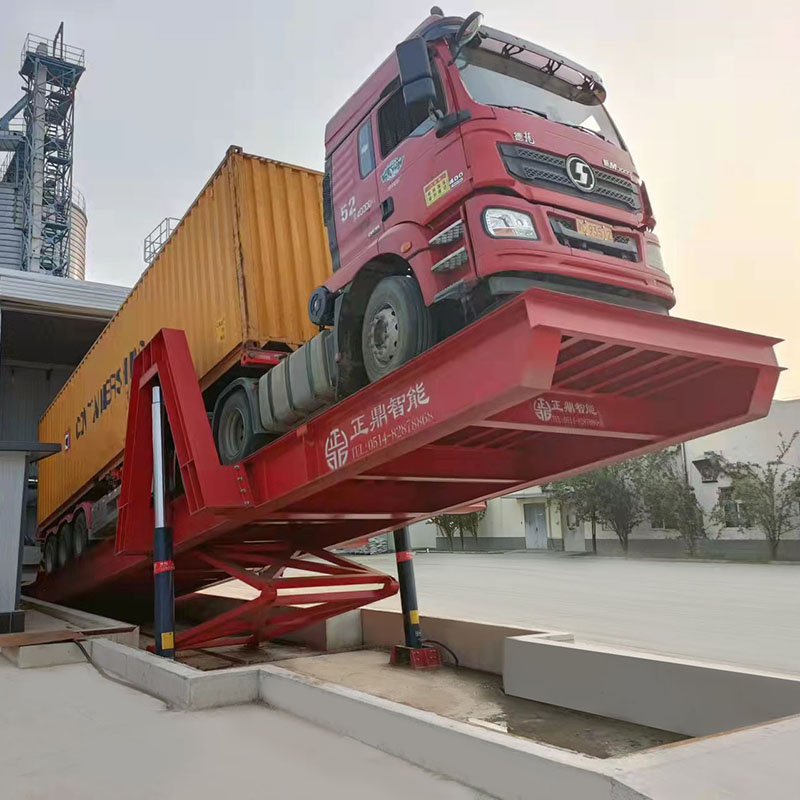
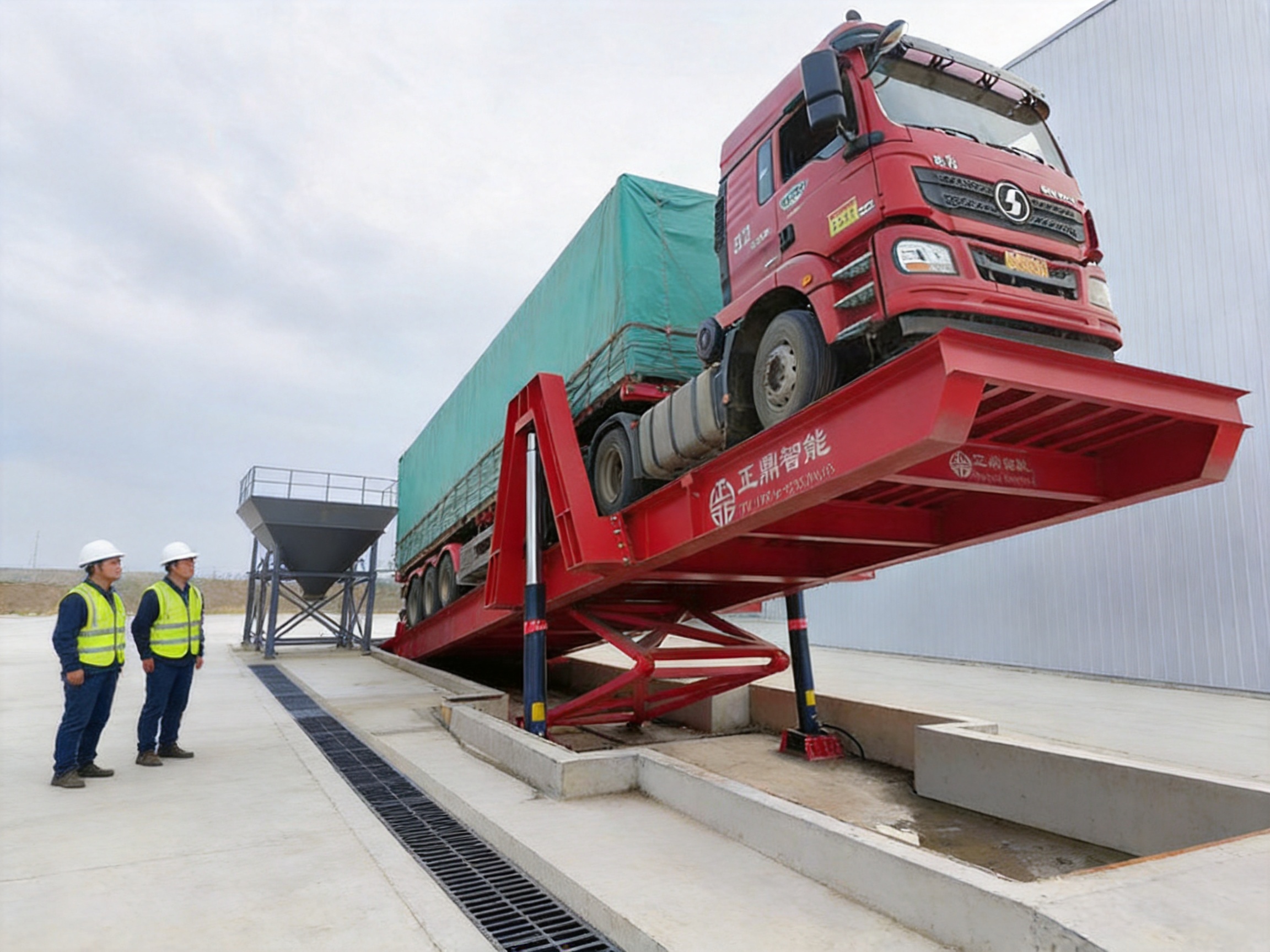
The central advantage of a shallow foundation truck dumper is its reduced civil engineering requirement. Instead of constructing a deep underground pit, the installation depth is generally limited to the thickness of the lifting platform and a shallow working foundation. Depending on site conditions and configuration, the pit depth is typically about 0.5 to 1.2 meters. This design can reduce civil construction costs by approximately 60% to 70% compared with conventional truck dumper installations.
Cost reduction, however, is only one part of the product’s value. A modern shallow foundation truck dumper also combines synchronized hydraulic lifting, automatic wheel retention, imported hydraulic components, remote or unmanned operation, wear-resistant materials, and customized control systems. These features allow the equipment to compete with deeper and more expensive unloading systems while providing easier maintenance, improved operator safety, and greater flexibility during plant expansion or modernization.
Jiangsu Zhengding Intelligent Equipment Co., Ltd. develops and manufactures automated loading and unloading equipment for trucks, containers, ships, and industrial logistics applications. Its product range includes rear truck dumpers, side-turn truck dumpers, car loading systems, container flippers, and related integrated equipment. The company’s shallow foundation truck dumpers are engineered for different industries and material characteristics, with solutions covering foundation assessment, hydraulic configuration, liner selection, automation, and discharge-flow optimization.
Shallow Foundation Truck Dumpers
1. What Is a Shallow Foundation Truck Dumper?
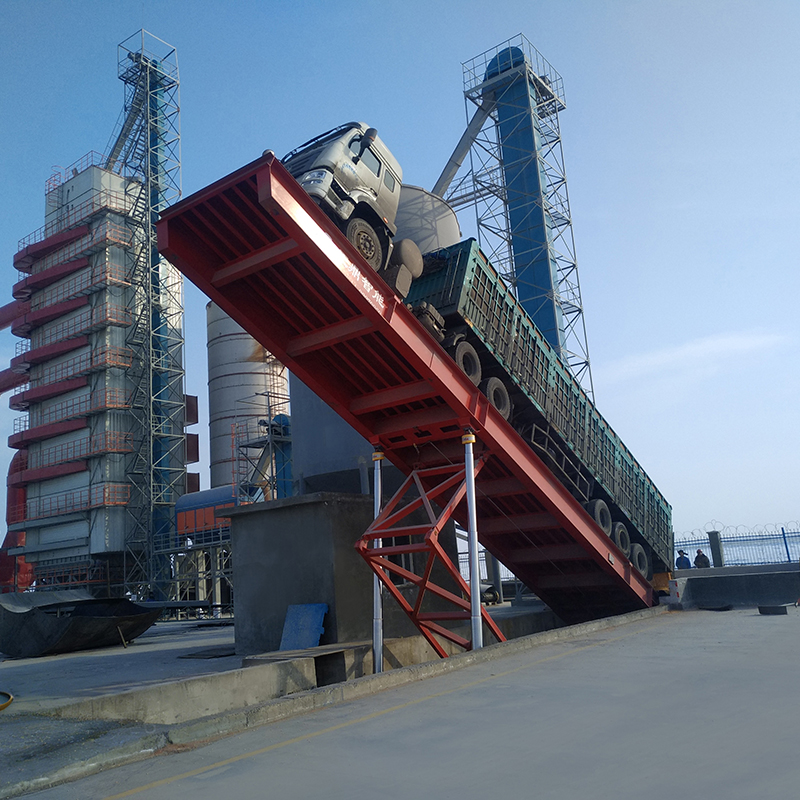
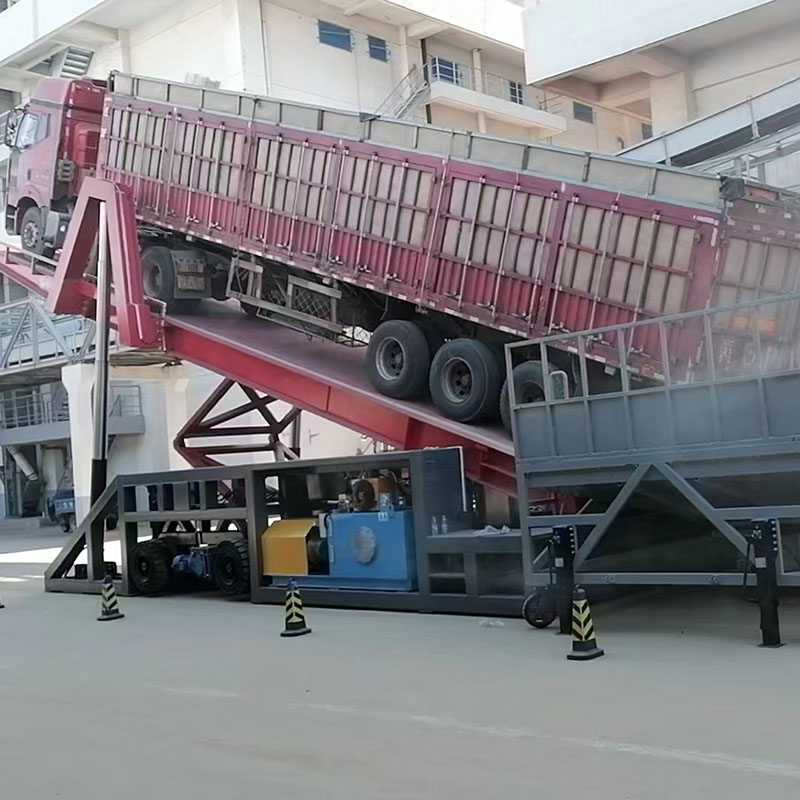
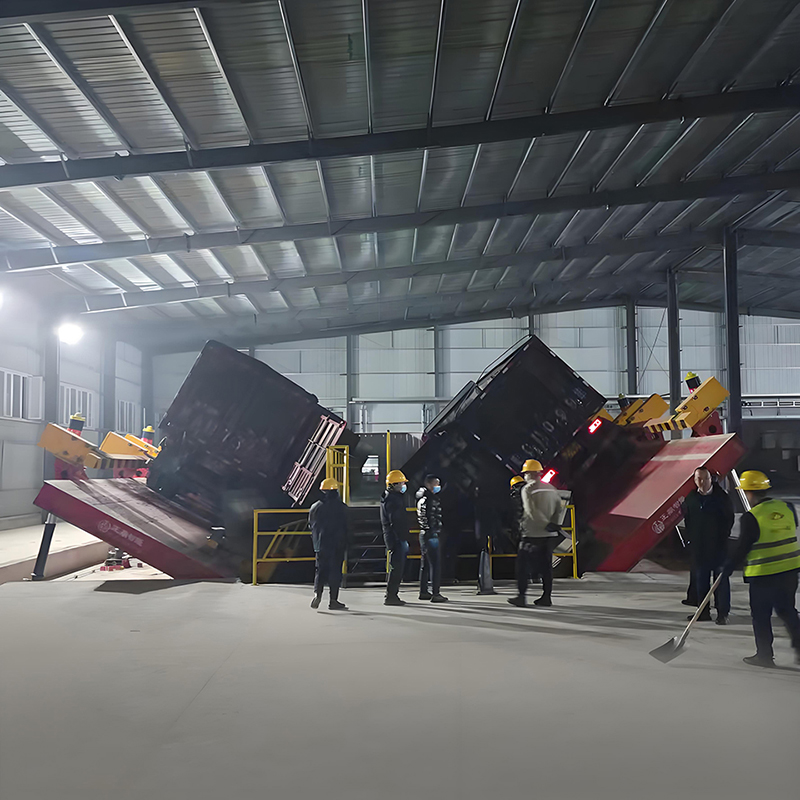
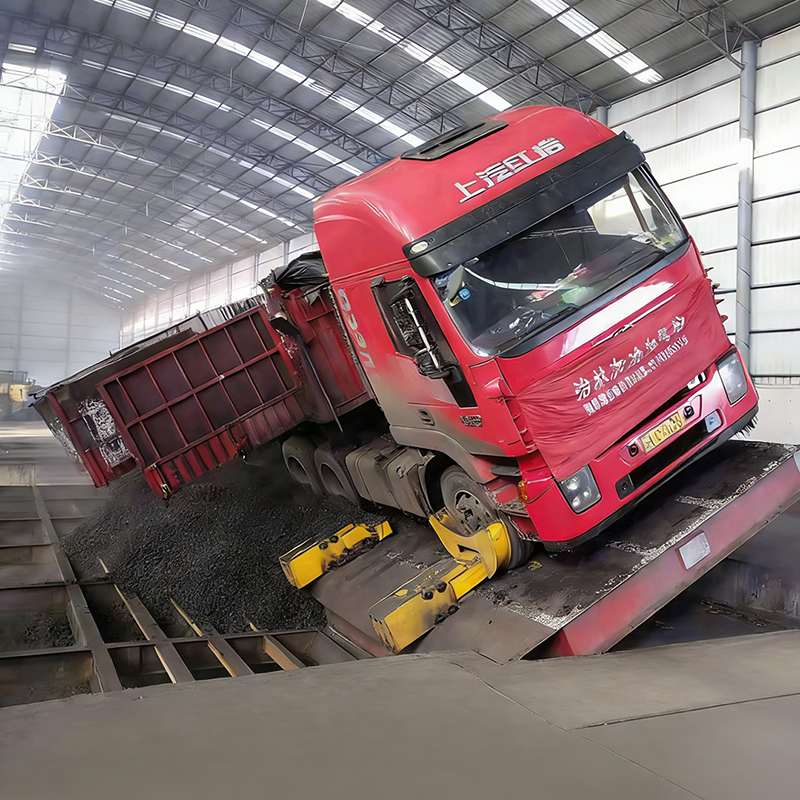
A shallow foundation truck dumper is a hydraulic unloading platform that raises a loaded truck or trailer to a controlled angle so that bulk cargo can flow out through the vehicle’s rear or side discharge opening. Unlike a conventional deep-pit truck dumper, the shallow foundation design does not require a large excavation below the platform. The lifting structure is installed in a low-profile foundation, reducing the amount of concrete, reinforcement, earth removal, drainage work, and site preparation required.
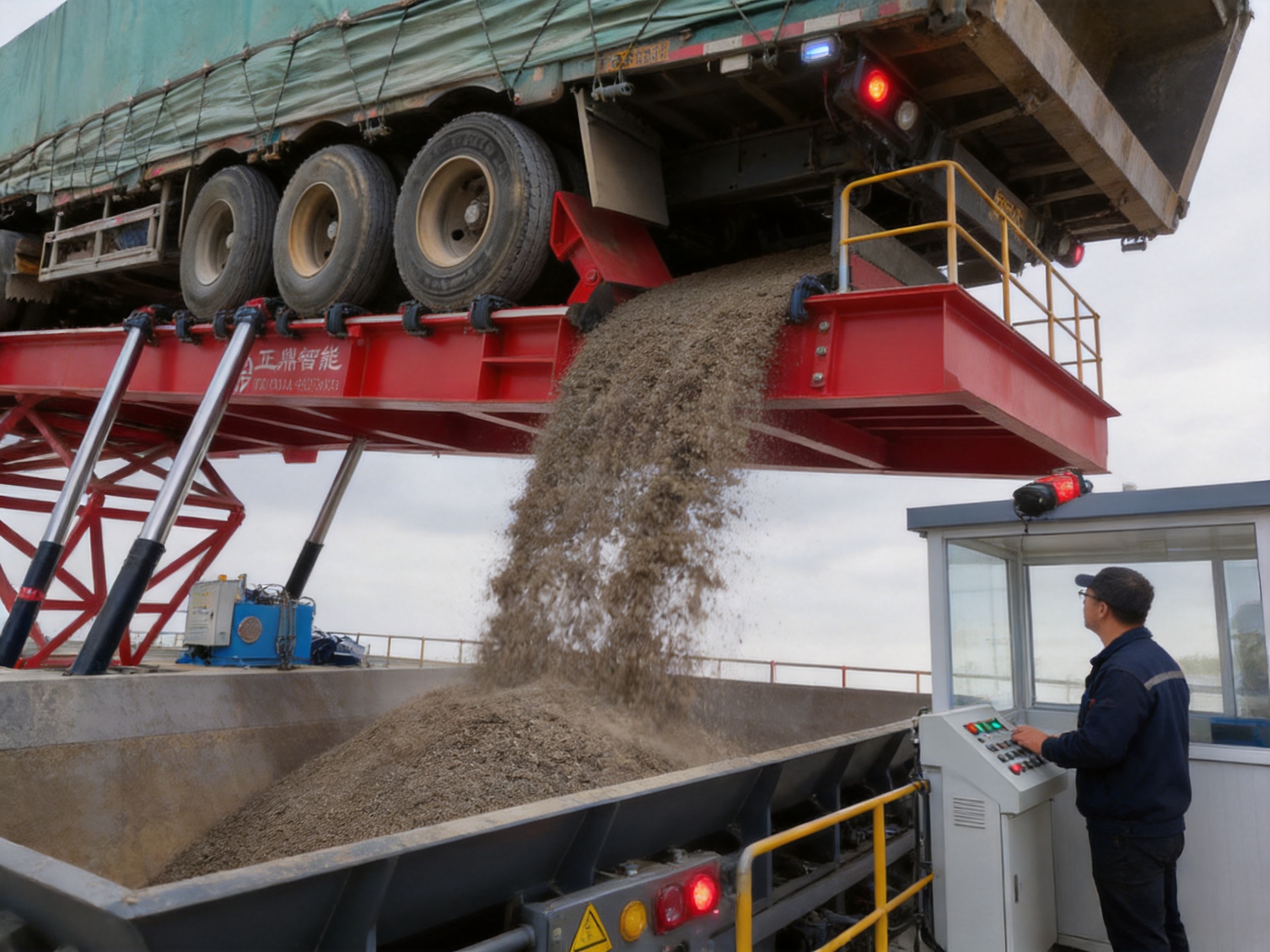
During operation, the vehicle is driven onto the platform and positioned against the retaining system. Once the vehicle is secured, hydraulic cylinders lift and tilt the platform. The load leaves the truck through gravity and is transferred to a receiving hopper, conveyor, storage bin, or processing line. After unloading, the platform returns to its horizontal position and the vehicle exits.
The equipment can be configured for rear dumping or side-turn dumping, depending on the vehicle design and downstream material-handling layout. The proper configuration is selected according to the required discharge direction, truck dimensions, material flow, site limitations, and connection to conveyors or storage equipment.
Typical platform lengths range from approximately 12 to 18 meters, allowing the equipment to accommodate standard semi-trailers, rigid trucks, and other heavy-duty road vehicles. Platform width, lifting capacity, tilt angle, and control logic can be customized according to the customer’s fleet and process requirements.
The supplied product range includes models with maximum lifting capacities of 80, 100, and 150 tons. Depending on the model and configuration, the maximum lifting angle is generally 45 or 55 degrees. The technical parameters should be finalized after reviewing vehicle axle loads, cargo density, truck dimensions, operating frequency, foundation conditions, and the required safety margin.
2. Why the Shallow Foundation Design Is a Competitive Advantage
2.1 Lower Civil Construction Cost
Deep-pit dumpers often require substantial excavation and reinforced concrete construction. A deep pit may also require groundwater control, waterproofing, drainage pumps, retaining walls, access ramps, and additional structural reinforcement. These activities increase both project cost and construction time.
The shallow foundation design significantly reduces these requirements. Since the pit is shallow, the amount of excavation and concrete is minimized. In many applications, the foundation can be completed more quickly and with fewer specialized construction procedures. The resulting civil engineering savings may exceed 60% compared with conventional installations, while the product information indicates that reductions of approximately 70% are achievable under suitable site conditions.
Lower civil construction cost is particularly important for existing facilities. A plant may need to add a new unloading line but have limited space, restricted access for excavation equipment, or insufficient time for a major structural project. A shallow dumper can often be integrated into an existing yard with less disruption to production.
2.2 Faster Project Implementation
Because the foundation is shallower, site preparation and concrete work can be completed more efficiently. A shorter construction period helps reduce project downtime and allows the operator to begin processing material sooner. This is valuable for seasonal businesses such as grain receiving, where a delayed installation can affect the harvest intake period.
Shorter installation schedules also simplify project coordination. The equipment supplier, civil contractor, electrical contractor, conveyor integrator, and plant operator can work around a smaller construction area. When a facility is expanding in stages, the shallow foundation structure makes it easier to add unloading capacity without rebuilding a large section of the yard.
2.3 Easier Maintenance Access
A deep pit can make inspection and repair work difficult. Maintenance personnel may need to enter a confined underground space to inspect hydraulic cylinders, structural components, sensors, drains, and conveyor interfaces. Such work can require additional ventilation, lighting, fall protection, and confined-space procedures.
With a shallow foundation truck dumper, key components are more accessible from ground level or from a relatively shallow service area. This can reduce maintenance time and improve working conditions. Operators can inspect hydraulic connections, platform supports, wheel retainers, limit switches, and protective devices without entering a deep underground enclosure.
Improved accessibility also supports preventive maintenance. When inspection is simple and convenient, operators are more likely to perform regular checks before a small issue becomes a major breakdown. This contributes to higher equipment availability and more predictable operating costs.
2.4 Better Adaptability to Existing Sites
Many older industrial sites were not designed for a deep-pit dumper. Groundwater, buried utilities, unstable soil, limited access, or nearby foundations may make deep excavation impractical. The shallow foundation concept reduces the impact of these constraints and provides more options for equipment placement.
The system may be installed near an existing warehouse, receiving hopper, silo, processing building, or conveyor corridor. Site-specific engineering is still required, but the reduced excavation depth gives designers greater flexibility in arranging truck traffic, drainage, and material transfer equipment.
2.5 Reduced Long-Term Structural Exposure
A deep underground structure is exposed to soil pressure, water infiltration, corrosion, and drainage problems over its service life. A shallow structure does not eliminate all environmental risks, but it reduces the size of the underground enclosure and can simplify waterproofing and inspection. This may contribute to lower structural maintenance requirements over the life of the installation.
3. Hydraulic Lifting and Synchronous Stability System
The hydraulic lifting system is one of the most important components of a truck dumper. A loaded truck creates a substantial and changing load as the platform rises. If the lifting cylinders do not move in a coordinated manner, the platform can become unstable, causing uneven stress, vibration, structural deformation, or excessive impact on the cylinders.
The shallow foundation truck dumper uses a high-precision oil-cylinder synchronous stability system developed by the manufacturer. The system is designed to coordinate the movement of the hydraulic cylinders so that the platform rises smoothly and remains stable throughout the lifting cycle.
3.1 Smooth Platform Movement
Synchronized hydraulic motion helps reduce lateral movement and uneven loading. A stable platform is especially important when the truck is carrying a dense or partially compacted material. Smooth movement also reduces sudden shocks to the vehicle, platform, cylinder mounts, and foundation.
Small vibration during operation improves the operator’s perception of safety and helps protect the mechanical structure. It may also reduce noise and limit the transmission of impact forces to surrounding equipment.
3.2 Reduced Cylinder Impact
When a hydraulic system starts or stops abruptly, the cylinder can experience pressure spikes and mechanical impact. Over time, this may affect seals, piston rods, mounting points, and hydraulic valves. The synchronized stability system is intended to reduce these impacts and extend cylinder service life.
Longer cylinder life is particularly valuable in high-frequency operations. A dumper serving a grain terminal, cement plant, or mineral yard may complete many lifting cycles each day. Reducing stress on the hydraulic system lowers the likelihood of unplanned maintenance and helps keep the unloading line available during peak periods.
3.3 Hydraulic Component Reliability
The product uses imported-brand hydraulic cylinders and pumps selected for safety, reliability, and long service life. Hydraulic components are matched to the required lifting capacity, platform size, operating cycle, and material-handling environment. The final hydraulic specification may vary by model and customer application.
In addition to the pump and cylinders, a complete hydraulic system includes control valves, hoses, pressure protection, filters, oil reservoirs, sensors, and safety interlocks. Correct sizing and integration of these components are essential. A high-capacity cylinder cannot compensate for poor valve control, inadequate filtration, or unsuitable hose routing.
The manufacturer’s engineering process considers the full hydraulic circuit rather than treating the cylinder as an isolated component. This approach supports smoother operation, improved control, and easier service planning.
4. Automatic Wheel Retention and Operator Safety
Vehicle movement is one of the principal safety risks in truck unloading. A loaded vehicle changes its center of gravity as the platform tilts, and the forces acting on the tires and chassis can vary during discharge. For this reason, the dumper must include a reliable system for positioning and retaining the vehicle before lifting begins.
The shallow foundation truck dumper uses a fully automatic retaining-wheel fixing device. This system helps secure the truck without requiring the operator to hold a remote control in a dusty environment while manually managing the vehicle-retention process.
4.1 Automatic Position Confirmation
The retaining system can be integrated with sensors and control interlocks to confirm that the vehicle is correctly positioned before lifting. The exact arrangement depends on the truck type and site layout, but the objective is consistent: the platform should not lift unless the required safety conditions are satisfied.
Automatic position confirmation reduces reliance on individual operator judgment. It also creates a more repeatable operating sequence, which is beneficial for facilities with multiple shifts or varying levels of operator experience.
4.2 Reduced Exposure to Dust and Moving Equipment
Bulk material unloading can generate dust, particularly when handling grain, cement, fly ash, coal, fertilizers, or mineral products. An operator who must stand beside the dumper and operate a remote control throughout the entire cycle may be exposed to dust, noise, vehicle movement, and weather conditions.
Automatic wheel retention allows the operating procedure to be simplified. The driver can complete the normal unloading cycle after the vehicle is positioned, while control logic and safety devices manage the sequence. This reduces unnecessary personnel movement around the platform.
4.3 Interlocked Safety Sequence
A well-designed control system can include interlocks for wheel retention, platform position, access gates, emergency stops, hydraulic pressure, and discharge-area conditions. These measures help prevent lifting when the vehicle is not secured or when a hazardous condition is detected.
Safety equipment must always be selected and validated according to applicable local regulations and the specific installation. The manufacturer’s engineering team can coordinate safety requirements with the customer’s plant-control system, traffic-management plan, and operating procedures.
5. Unmanned and Driver-Assisted Operation
One of the product’s significant advantages is the ability to realize unmanned control. Professional operators are not necessarily required for every unloading cycle. After the driver positions the vehicle and confirms the operating conditions, the driver can complete the unloading operation through the automated control sequence.
Automation improves consistency and reduces labor requirements. It also helps standardize the lifting angle, dwell time, return cycle, and vehicle-release procedure. For large facilities, multiple dumpers can be connected to a central monitoring system, enabling supervisors to view operating status, alarms, cycle counts, and maintenance information.
Automated operation does not mean that safety supervision is unnecessary. Personnel must still receive training, and emergency procedures must be clearly established. The correct objective is to remove unnecessary manual tasks while retaining appropriate supervision, interlocks, and emergency controls.
5.1 Integration with Plant Automation
The dumper can be integrated with upstream and downstream systems, including truck identification, weighing equipment, sampling stations, dust-collection systems, conveyors, gates, hoppers, and storage controls. This allows unloading to become part of a larger material-receiving process rather than a stand-alone operation.
For example, a grain terminal may use vehicle registration and weighing data to identify a truck before unloading. After the material is sampled and approved, the dumper can be assigned to a receiving line. Once unloading is complete, the platform returns to its initial position and the system releases the truck for a second weighing or outbound inspection.
5.2 Reduced Operating Variability
Manual unloading often varies according to operator experience, material condition, weather, and workload. Automated control provides more consistent platform movement and safety sequencing. This can improve throughput planning and reduce the likelihood of incomplete discharge caused by premature platform lowering.
6. Materials Handled by Shallow Foundation Truck Dumpers
Shallow foundation truck dumpers are suitable for a broad range of bulk solids, granular products, and free-flowing powders. Typical bulk densities range from approximately 0.4 to 2.5 tons per cubic meter, although the final design must consider the actual material, truck payload, loading pattern, moisture content, and discharge behavior.
Common applications include grains, oilseeds, coal, sand, cement, fertilizers, plastic pellets, fly ash, limestone, crushed stone, petroleum coke, biomass, recycling materials, and selected chemical products.
Grains and oilseeds are among the most common applications. Corn, soybeans, wheat, rice, and similar products generally flow well when the material is within the expected moisture range. A properly designed system can achieve very high discharge efficiency while minimizing retained product and cross-contamination.
Aggregates and minerals require stronger wear protection because sand, gravel, crushed stone, limestone, slag, and petroleum coke can abrade the platform and receiving surfaces. AR400 steel liners or similar wear-resistant materials can be used to extend service life and reduce replacement frequency.
Cement, fly ash, lime, and other powders require attention to dust control, sealing, material flow, and cleaning. The dumper may be connected to a covered hopper or dust-collection system to limit airborne particles during discharge.
Granular fertilizers and chemicals can be handled when the platform materials, seals, coatings, and drainage arrangements are selected for the product’s chemical properties. Stainless steel options are available for food-grade or corrosive applications.
| Material Category | Typical Bulk Density | Recommended Tilt Angle | Indicative Discharge Efficiency |
|---|---|---|---|
| Corn, soybeans, and wheat | 0.72–0.78 t/m³ | 40°–45° | Approximately 99.5% |
| Sand, gravel, and crushed stone | 1.4–1.8 t/m³ | 50°–55° | Approximately 98.2% |
| Cement, fly ash, and lime | 0.9–1.2 t/m³ | 45°–50° | Approximately 97.8% |
| Granular fertilizers | 0.85–1.1 t/m³ | 42°–48° | Approximately 99.1% |
| Plastic pellets | 0.55–0.65 t/m³ | 38°–42° | Approximately 99.7% |
| Coal and petroleum coke | 0.75–0.95 t/m³ | 48°–53° | Approximately 98.5% |
The performance figures in the table are indicative application data rather than universal guarantees. Actual efficiency depends on material moisture, particle-size distribution, truck body geometry, loading uniformity, temperature, liner condition, and receiving-hopper design.
7. Handling Wet, Sticky, and Cohesive Materials
Free-flowing materials are the easiest products to unload, but many industrial operations also handle wet, sticky, or cohesive materials. Wet clay, damp mineral concentrates, moist biomass, and certain industrial powders may cling to the truck body and platform. These materials require a different combination of tilt speed, surface treatment, vibration, and cleaning access.
For materials containing approximately 12% to 18% moisture, a platform vibrator can help break up stagnant material and improve discharge. A UHMW-PE liner may also reduce friction and adhesion. In suitable applications, these modifications can increase discharge efficiency from approximately 85% to 94% or higher.
For extremely sticky materials, a heated platform can be considered. Thermostatically controlled heating in the range of approximately 35°C to 45°C may reduce adhesion during cold or damp operating conditions. Heating requirements should be evaluated carefully because the correct temperature depends on the material, truck body, safety requirements, and environmental conditions.
Material testing is recommended before final equipment selection. The manufacturer can assess flowability, moisture content, particle size, abrasiveness, corrosiveness, and bulk density. This information is then used to select the appropriate hydraulic cycle, liner, vibrator, heating system, dust-control arrangement, and cleaning provisions.
8. Wear-Resistant and Hygienic Platform Options
8.1 AR400 Steel Liners
AR400 steel liners are suitable for abrasive materials such as sand, gravel, crushed stone, slag, coal, and mineral products. Their high hardness helps resist scratching, gouging, and surface wear. Under appropriate operating conditions, wear-resistant liners may extend platform service life to approximately eight to ten years.
Liner life depends on operating hours, material hardness, impact energy, particle size, moisture, loading method, and maintenance quality. A properly designed liner should also be replaceable, allowing the main platform structure to remain in service while the wear surface is renewed.
8.2 UHMW-PE Liners
Ultra-high-molecular-weight polyethylene liners provide a low-friction surface for sticky, damp, or cohesive products. The smooth surface helps material slide during tipping and can reduce the amount of product left inside the truck body or on the platform.
UHMW-PE is especially useful when reducing product retention and cleaning time is more important than resisting severe impact. The selection between steel and polymer liners should be based on the material’s abrasiveness, temperature, impact characteristics, chemical properties, and hygiene requirements.
8.3 Stainless Steel Platforms
Stainless steel platforms are available for food-grade and corrosive chemical applications. Stainless steel construction, together with suitable seals and easy-clean surfaces, can support sanitation and reduce the risk of product contamination.
For facilities that switch between wheat, corn, soybeans, feed ingredients, or other food materials, hygienic design is essential. Operators should consider drainage, access to corners, surface finish, cleaning chemicals, inspection procedures, and segregation of product streams.
9. Main Technical Parameters and Model Selection
The product family includes several models designed for different truck lengths and lifting requirements. The following parameters are based on the supplied technical information. The dimension entries represent available length and width combinations and should be confirmed during engineering design.
| Model | Available Size Options, Length × Width | Maximum Lifting Weight | Maximum Lifting Angle |
|---|---|---|---|
| TQXHC 50 | 14 × 3 m, 16 × 3 m, or 17 × 3 m | 80 tons | 45° or 55° |
| TQXHC 80 | 16 × 3 m, 17 × 3 m, or 18 × 3 m | 80 tons | 45° or 55° |
| TQXHC 100 | 17 × 3 m, 18 × 3 m, or 20 × 3 m | 100 tons | 45° or 55° |
| TQXHC 150 | 17 × 3 m, 18 × 3 m, or 20 × 3 m | 150 tons | 45° or 55° |
Model selection should not be based only on nominal truck payload. Engineers also need to consider the total lifted mass, including the vehicle, cargo, platform, accessories, and dynamic effects. Truck axle distribution, center of gravity, wheelbase, body height, discharge-door arrangement, and the receiving-hopper elevation all affect the final design.
The required tilt angle depends on the material’s flowability and the truck body. Free-flowing grains and plastic pellets may discharge effectively at a lower angle, while aggregates, coal, and cohesive products may require a higher angle. A higher angle is not always better; it must be balanced against truck stability, hydraulic capacity, structural loads, and available overhead clearance.
10. Manufacturing and Engineering Strengths
Jiangsu Zhengding Intelligent Equipment Co., Ltd. is a national high-tech enterprise focused on the research, development, manufacturing, and sales of intelligent logistics equipment. Its experience covers automated loading and unloading systems for automobiles, containers, ships, and related industrial applications.
The company’s manufacturing strength comes from combining mechanical design, hydraulic engineering, electrical control, automation, structural fabrication, and project integration. A truck dumper is not merely a steel platform with hydraulic cylinders. It is a complete industrial system that must operate safely under heavy loads, integrate with material-handling equipment, and remain serviceable in demanding environments.
10.1 Application-Based Product Design
The company develops equipment according to the customer’s material and logistics process. Before production, engineers can review the material properties, truck fleet, unloading rate, site arrangement, foundation limitations, and downstream equipment. This application-based approach helps avoid the problems that can arise when a standard machine is installed without sufficient process analysis.
For shallow foundation dumpers, engineering services may include foundation assessment, material-flow evaluation, liner selection, hydraulic configuration, control-system design, and integration with conveyors or hoppers.
10.2 Structural Fabrication
The platform and supporting structure must withstand repeated loading, lifting, impact, and vibration. Manufacturing therefore requires accurate cutting, forming, welding, inspection, surface preparation, and dimensional verification. Proper reinforcement is particularly important around cylinder mounts, wheel-retention points, hinges, and high-load transfer areas.
Consistent fabrication quality supports platform alignment and stable hydraulic operation. It also helps ensure that the finished dumper fits the customer’s foundation and connects correctly with the receiving system.
10.3 Hydraulic and Electrical Integration
Hydraulic power units, cylinders, valves, sensors, control cabinets, emergency-stop circuits, and automatic retaining devices must function as one coordinated system. The company’s experience in automated loading and unloading equipment enables it to address both the mechanical and control aspects of the project.
Factory testing can include no-load operation, hydraulic-pressure verification, cylinder synchronization checks, sensor testing, wheel-retention tests, emergency-stop verification, platform-position checks, and control-sequence validation. The exact inspection plan depends on the project specification and applicable standards.
10.4 Customized Solutions for Different Industries
Different industries require different equipment configurations. A grain plant may prioritize hygienic surfaces, low product retention, gentle handling, dust control, and easy cleaning. A cement or aggregate plant may prioritize wear resistance, structural strength, and high-cycle durability. A chemical facility may require corrosion-resistant materials, sealed components, and specialized safety controls.
The manufacturer serves industries including steel, chemicals, cement, coal, grain, oil, food, feed, ports, papermaking, and new energy. This broad application background helps the engineering team adapt the product to different operating environments.
11. Comparison with Conventional Deep-Pit Truck Dumpers
Conventional deep-pit dumpers remain useful in some applications, especially where a new facility is being built with sufficient land, construction budget, and groundwater-control capability. However, the shallow foundation model offers several advantages when the project requires lower cost, faster installation, or reduced excavation.
| Evaluation Factor | Shallow Foundation Truck Dumper | Conventional Deep-Pit Dumper |
|---|---|---|
| Foundation depth | Typically about 0.5–1.2 m, depending on design | Substantially deeper underground excavation |
| Civil construction cost | Reduced by approximately 60%–70% in suitable projects | Higher excavation, concrete, drainage, and waterproofing cost |
| Installation schedule | Generally shorter and less disruptive | Longer construction and coordination period |
| Maintenance access | Relatively accessible components and shallow service area | More confined underground access requirements |
| Existing-site adaptation | Well suited to restricted or retrofit locations | More difficult where utilities or groundwater are present |
| Material compatibility | Suitable for grains, aggregates, powders, chemicals, and other bulk solids with correct options | Broad compatibility, depending on equipment configuration |
| Automation potential | Automatic wheel retention and unmanned operation available | Automation also possible but may involve more complex site infrastructure |
The comparison does not mean that one design is suitable for every facility. The correct choice depends on the site, throughput, truck fleet, foundation conditions, material properties, and long-term expansion plan. The shallow solution is particularly competitive when civil construction is a major portion of the budget.
12. Safety, Reliability, and Service Life
Safety and reliability are designed into the equipment through structural strength, hydraulic synchronization, vehicle retention, interlocking, emergency controls, and preventive maintenance. A heavy-duty dumper must remain stable not only during normal operation but also during unusual conditions such as uneven truck loading, fluctuating material flow, or temporary interruption in discharge.
The operator should verify that the truck is correctly positioned, the discharge area is clear, and the vehicle-retention system is engaged before lifting. The control system should prevent unsafe sequences, and emergency-stop devices should be accessible from appropriate operating locations.
Hydraulic oil quality is important for long-term performance. Contaminated oil can damage pumps, valves, and cylinder seals. Regular filtration, oil-level inspection, hose examination, and leakage checks should be included in the maintenance program.
Structural inspections should focus on welds, hinges, cylinder mounts, wheel retainers, platform surfaces, and areas exposed to impact. In abrasive applications, liner thickness should be measured periodically rather than relying only on visual inspection.
For aggregate, cement, coal, and other abrasive materials, liner inspections may be scheduled at intervals of approximately 1,000 operating hours, depending on the actual wear rate. Average liner life can range from about 5,000 to 7,000 hours in demanding aggregate applications, while grain-handling liners may exceed 15,000 hours under suitable conditions.
Corrosive chemical applications require regular inspection of seals, coatings, fasteners, hydraulic fittings, and drainage points. A three-month seal-integrity inspection interval may be appropriate for some installations, but the final schedule should reflect the chemical concentration, temperature, humidity, and cleaning process.
Food and feed applications require a documented sanitation program. Weekly cleaning may be suitable for some facilities, while high-hygiene operations may require more frequent cleaning and inspection. The cleaning process must be compatible with stainless steel, polymer liners, seals, electrical equipment, and lubricants.
13. Applications in Major Industries
13.1 Grain and Oilseed Terminals
Grain terminals need fast, reliable, and hygienic truck receiving. The dumper can unload corn, wheat, soybeans, rice, and other agricultural products into receiving pits or conveyors. High discharge efficiency reduces residual product and supports rapid truck turnaround.
Stainless steel or food-grade lining options can be selected where hygiene and cross-contamination control are important. The system can also be integrated with weighing, sampling, dust collection, grain cleaning, and silo-management systems.
13.2 Cement and Building Materials
Cement plants, ready-mix operations, and building-material facilities may use dumpers for sand, gravel, crushed stone, cement additives, fly ash, lime, and other bulk products. These applications require strong structures and wear-resistant surfaces because the material may be heavy and abrasive.
The 45° to 55° lifting-angle range supports the discharge of many construction materials. The exact angle and liner configuration should be selected according to moisture, particle size, and material flowability.
13.3 Coal and Mineral Processing
Coal, petroleum coke, limestone, slag, and other mineral products can impose high impact and abrasion loads. AR400 liners, reinforced platform areas, and suitable receiving-hopper protection help manage wear.
Dust control is also important. Covered transfer points, extraction systems, and sealed connections can be integrated with the dumper and downstream conveyor equipment. The control system can coordinate unloading with conveyor availability to prevent material accumulation.
13.4 Chemical and Fertilizer Plants
Fertilizers and chemical products vary widely in density, corrosiveness, particle size, and flow behavior. The dumper can be customized with corrosion-resistant surfaces, stainless steel components, suitable seals, and controlled discharge arrangements.
For granular fertilizers, a tilt angle of approximately 42° to 48° may be suitable, but actual conditions should be confirmed through testing. Chemical compatibility must be reviewed before selecting platform coatings, hydraulic seals, electrical enclosures, and cleaning agents.
13.5 Ports and Multimodal Logistics Facilities
Ports and logistics hubs often handle large truck volumes and require fast connection to conveyors, storage yards, ship-loading systems, or container-handling equipment. The shallow foundation design can reduce construction requirements where space is limited or where the facility must continue operating during installation.
13.6 Food, Feed, and New Energy Industries
Food and feed facilities benefit from cleanable surfaces and reduced product retention. New energy manufacturing and related raw-material logistics may require handling of mineral powders, granular materials, additives, or industrial compounds. In these sectors, the equipment can be configured according to hygiene, dust, chemical, or traceability requirements.
14. Project Engineering and Installation Process
A successful truck dumper project begins with accurate site and process information. The customer should provide a site layout, truck drawings or dimensions, maximum payload, material data, desired throughput, unloading frequency, receiving equipment, and local environmental conditions.
14.1 Site Assessment
The engineering team reviews available space, vehicle approach roads, turning radius, drainage, underground utilities, soil conditions, groundwater, overhead clearance, and connection points to the material-handling system. Because the shallow design reduces excavation, it may be suitable for sites where a deep pit is not feasible, but foundation capacity and drainage still require professional evaluation.
14.2 Material Analysis
Material analysis includes bulk density, moisture content, particle-size range, abrasiveness, flowability, temperature, corrosiveness, and contamination sensitivity. These factors influence the lifting angle, platform surface, liner, vibrator, heating system, dust-control strategy, and cleaning procedure.
14.3 Vehicle Compatibility
The dumper must match the customer’s actual fleet. Important data includes truck length, width, wheelbase, axle configuration, tire position, body height, rear-door design, maximum gross weight, and center of gravity. If multiple vehicle types are used, the retaining and positioning system should be designed for the full range.
14.4 Factory Testing and Commissioning
Before shipment, the equipment may undergo assembly checks, dimensional inspection, hydraulic testing, control-system testing, and safety-function verification. At the customer’s site, commissioning includes foundation inspection, platform alignment, hydraulic-oil filling, sensor calibration, no-load cycling, vehicle positioning tests, loaded trials, and connection with downstream equipment.
Training should cover normal operation, emergency stops, inspection points, hydraulic maintenance, liner replacement, cleaning, and safe vehicle movement. Clear operating instructions help ensure that the equipment delivers the expected benefits throughout its service life.
15. Maintenance Recommendations
Preventive maintenance is essential for preserving lifting stability and reducing downtime. Daily checks should include hydraulic leakage, unusual noise, platform condition, wheel-retention function, safety sensors, emergency stops, and visible structural damage.
Weekly or periodic inspections should include hydraulic oil level, hose condition, cylinder connections, hinge points, limit switches, control cabinets, electrical connections, and the condition of the receiving hopper. In food applications, cleaning and sanitation inspections should be coordinated with production schedules.
For abrasive products, measure liner wear and inspect welds around high-impact areas. Replace damaged or excessively worn liners before the underlying platform structure is affected. For sticky products, remove accumulated material from corners, hinges, and retaining devices to prevent interference with movement.
For corrosive products, check coating damage and seal condition. Remove material deposits and ensure that drainage is functioning. Any corrosion should be assessed promptly because corrosion around structural or hydraulic mounting points can compromise safety.
Maintenance records should include operating hours, lifting cycles, material handled, hydraulic-oil changes, liner replacements, alarm history, and repairs. These records help the operator identify trends and plan replacement parts before a failure interrupts production.
16. Frequently Asked Questions
Q1: What is the main difference between a shallow foundation truck dumper and a conventional dumper?
The main difference is the foundation depth. A shallow foundation truck dumper uses a low-profile installation, typically with a pit depth of approximately 0.5 to 1.2 meters, while a conventional dumper generally requires a much deeper excavation. The shallow design reduces civil construction work, installation cost, and maintenance-access difficulty.
Q2: How much can civil construction costs be reduced?
In suitable projects, the shallow foundation design can reduce civil construction costs by approximately 60% to 70% compared with conventional deep-pit systems. Actual savings depend on soil conditions, groundwater, concrete requirements, drainage, local labor costs, site access, and the existing foundation layout.
Q3: What materials can the equipment handle?
The dumper can handle grains, oilseeds, coal, sand, gravel, crushed stone, cement, fly ash, lime, fertilizers, plastic pellets, petroleum coke, limestone, biomass, recycling materials, and selected chemical products. The platform, liner, hydraulic cycle, and discharge angle should be selected according to the material’s density, moisture, abrasiveness, particle size, and flowability.
Q4: Can it handle wet or sticky materials?
Yes. Wet or sticky materials may require a vibrator, UHMW-PE liner, reduced lifting speed, or a heated platform. Materials containing approximately 12% to 18% moisture may achieve improved discharge performance with the correct modifications. Extremely cohesive materials should be tested before final design.
Q5: What is the maximum particle size?
Standard configurations can generally handle particles up to approximately 80 millimeters. For larger aggregates in the range of 100 to 150 millimeters, reinforced platforms and thicker wear plates, typically about 12 to 16 millimeters, may be recommended. The actual limit depends on impact energy, truck loading, material hardness, and receiving-hopper design.
Q6: Is a food-grade version available?
Yes. Food-grade versions can use 304 or 316 stainless steel platforms, suitable seals, smooth surfaces, and easy-clean construction. The final design should also address drainage, sanitation access, cleaning chemicals, product segregation, and inspection procedures.
Q7: Can the dumper operate without a dedicated professional operator?
The system can realize unmanned or driver-assisted operation. Automatic wheel retention, sensors, interlocks, and programmed hydraulic sequences allow the driver to complete the operating cycle after positioning the vehicle. Proper training, supervision, emergency procedures, and local safety compliance remain necessary.
Q8: What lifting capacities are available?
The supplied model range includes maximum lifting capacities of 80, 100, and 150 tons. The correct model depends on total lifted mass, truck size, cargo density, axle loads, platform length, and the required safety factor.
Q9: What lifting angles are available?
The listed configurations provide maximum lifting angles of 45 or 55 degrees. The correct angle is selected according to material flowability, truck-body geometry, receiving-hopper arrangement, overhead clearance, and structural requirements.
Q10: How long do the liners last?
Liner life depends on material and operating conditions. In demanding aggregate applications, average liner life may range from approximately 5,000 to 7,000 operating hours. In grain applications, liner life may exceed 15,000 hours. Regular inspection is necessary because actual wear rates vary considerably.
Q11: Can the system connect to conveyors and storage equipment?
Yes. The dumper can be integrated with receiving hoppers, belt conveyors, chain conveyors, bucket elevators, silos, dust collectors, weighing systems, sampling systems, and plant-control networks. The interface should be designed during the project-engineering stage.
Q12: What information is needed for a quotation and final design?
Important information includes the material type, bulk density, moisture content, particle size, abrasiveness, corrosiveness, truck dimensions, maximum gross weight, unloading capacity, desired tilt angle, platform size, site layout, soil conditions, drainage conditions, downstream equipment, and automation requirements.
17. Why Choose an Integrated Equipment Manufacturer?
A truck dumper is part of a larger logistics and production system. Purchasing only the lifting platform without considering truck traffic, hopper design, conveyor capacity, control logic, dust management, and maintenance access can create operational bottlenecks.
An integrated manufacturer can evaluate the complete loading and unloading process. Jiangsu Zhengding Intelligent Equipment Co., Ltd. supplies various equipment types, including rear dumpers, side-turn truck dumpers, car loading equipment, and container flippers. This broad product range supports coordinated solutions for truck, container, and industrial logistics operations.
The company’s products are used in steel, chemical, cement, coal, grain, oil, food, feed, port, papermaking, and new energy applications. Its equipment has been exported to Japan, Brazil, Egypt, Pakistan, India, the Middle East, and Southeast Asia. International users associated with its equipment and engineering experience include Budweiser, Heineken, Buhler Group, Wilmar International, Cargill, DuPont, Louis Dreyfus, Charoen Pokphand Group, and Saint-Gobain Group.
This industry and geographic experience supports a practical understanding of different materials, operating conditions, safety expectations, and project requirements. The manufacturer’s strength is not limited to standard fabrication; it also includes system planning, customization, automation, and after-sales technical support.
18. Conclusion
Shallow foundation truck dumpers provide a strong alternative to conventional deep-pit unloading systems. Their low-profile construction can reduce civil engineering costs by approximately 60% to 70%, shorten installation time, simplify maintenance access, and improve adaptability to existing industrial sites.
The product’s competitive advantages extend beyond the foundation design. A high-precision hydraulic synchronization system supports stable lifting and reduces cylinder impact. Automatic wheel retention improves vehicle security and reduces operator exposure to dusty or hazardous working conditions. Imported hydraulic pumps and cylinders support reliability, while unmanned control improves consistency and reduces labor requirements.
With appropriate options, the equipment can handle free-flowing grains, abrasive aggregates, powders, fertilizers, plastic pellets, coal, petroleum coke, and selected wet or sticky materials. AR400 liners, UHMW-PE surfaces, stainless steel platforms, vibrators, heated platforms, dust-control systems, and integrated automation allow the dumper to be adapted to different material properties and industries.
Jiangsu Zhengding Intelligent Equipment Co., Ltd. combines mechanical manufacturing, hydraulic engineering, electrical control, automation, and application-specific project design. Its experience in automated truck and container loading and unloading equipment enables it to provide complete solutions rather than isolated machines.
For facilities seeking lower installation cost, efficient truck turnaround, reliable bulk-material discharge, and a flexible path toward automated operation, a shallow foundation truck dumper is a practical and scalable choice. Final equipment selection should be based on a detailed review of the site, truck fleet, material characteristics, throughput requirements, and applicable safety standards.
References
1. Jiangsu Zhengding Intelligent Equipment Co., Ltd. Product technical parameters for shallow foundation truck dumpers.
2. Jiangsu Zhengding Intelligent Equipment Co., Ltd. Product information for automated truck, container, and ship loading and unloading equipment.
3. Material compatibility and operating data supplied for shallow foundation dumper applications.
4. Global Dumper Usage Survey 2025, industry application summary covering bulk-material receiving terminals.
5. Field evaluation data concerning material flowability, abrasion resistance, moisture tolerance, particle-size adaptability, and density range.
6. General preventive-maintenance recommendations for hydraulic truck dumpers, wear liners, food-grade platforms, and chemical-material handling systems.
7. Application engineering principles for bulk-solid discharge, hydraulic lifting platforms, vehicle retention, and automated industrial logistics.
Company Contact Information
Company: Jiangsu Zhengding Intelligent Equipment Co., Ltd.
Address: 217 Kaifa West Road, Hanjiang District, Yangzhou City, Jiangsu Province, China.
Phone: +86-13588556918.
Email: cnwzb@163.com.


