

 English
 русский
 Español
 Français
 Português
 عربى
عربى



+86-13588556918
Content
- 1 1. The Role of Truck Dumpers in Modern Logistics
- 2 2. Product Overview and Operating Principle
- 3 3. Mechanical Rigid Synchronization: A Major Competitive Advantage
- 4 4. Hydraulic Stability and Component Reliability
- 5 5. Automatic Vehicle Restraint and Operational Safety
- 6 6. Unmanned and Driver-Operated Unloading
- 7 7. Models, Capacity, and Technical Parameters
- 8 8. Manufacturing Strengths and Engineering Capability
- 9 9. Why System Integration Matters
- 10 10. Applications Across Multiple Industries
- 11 11. Maintenance and Service-Life Considerations
- 12 12. Safety Management and Operator Training
- 13 13. Comparison with Conventional Dumper Solutions
- 14 14. How to Select the Right Truck Dumper
- 15 15. Company Capability and International Service Experience
- 16 16. Frequently Asked Questions
- 16.1 Q1: What is the main advantage of the mechanical rigid synchronization mechanism?
- 16.2 Q2: Can the truck dumper be used for different truck lengths?
- 16.3 Q3: What lifting capacities are available?
- 16.4 Q4: What lifting angles are available?
- 16.5 Q5: Can the truck driver operate the unloading process?
- 16.6 Q6: Are wheel chocks alone sufficient?
- 16.7 Q7: How often should the hydraulic system be inspected?
- 16.8 Q8: What should happen if the platform stops while raised?
- 16.9 Q9: Can the dumper be integrated with weighing and conveying systems?
- 16.10 Q10: What industries can use this equipment?
- 16.11 Q11: What information should be supplied when requesting a quotation?
- 16.12 Q12: Is the equipment suitable for outdoor installation?
- 17 17. Conclusion
- 18 References
- 19 Product: Truck Dumpers
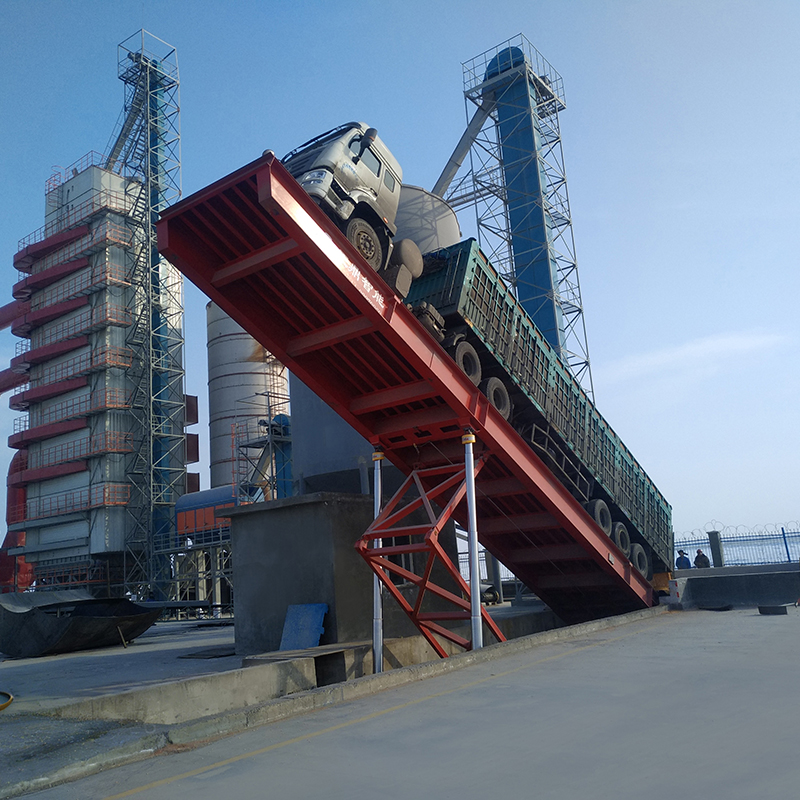
Truck dumpers are essential pieces of industrial equipment for facilities that need to unload bulk materials quickly, safely, and consistently. They are used to raise and tilt loaded vehicles so that materials such as grain, coal, cement, chemical raw materials, minerals, feed, food ingredients, and other dry bulk products can be discharged into receiving pits, hoppers, conveyors, or processing systems. Compared with manual unloading or conventional low-automation systems, a modern truck dumper can significantly reduce unloading time, lower labor requirements, improve site safety, and support more continuous logistics operations.
However, not all truck dumpers provide the same level of reliability. The lifting mechanism, hydraulic system, vehicle restraint arrangement, synchronization method, control architecture, and manufacturing quality all influence long-term performance. Traditional side-turn truck dumpers commonly synchronize their side cylinders by controlling oil flow. Although this approach can be used in basic applications, it may be affected by changes in oil temperature, pressure fluctuations, component wear, and uneven cylinder movement. These issues can result in greater vibration, inaccurate synchronization, higher maintenance requirements, and increased safety risks.
The truck dumper system described in this article uses a mechanical rigid synchronization mechanism together with a high-precision oil-cylinder synchronous stability system. This design provides a more direct and dependable relationship between the lifting components. It simplifies the operating principle, reduces the possibility of uneven movement, and supports safer lifting of heavy vehicles. Combined with automatic wheel restraint, imported hydraulic components, remote or unmanned operation, and configurable lifting capacities, the equipment is designed for demanding industrial environments.
Truck Dumpers
1. The Role of Truck Dumpers in Modern Logistics
Bulk-material logistics often involves a large number of loaded vehicles arriving at a receiving station throughout the day. If unloading depends on manual tipping, temporary labor, or slow auxiliary equipment, the entire production line may be limited by vehicle turnaround time. A truck dumper provides a dedicated unloading platform that can lift and tilt a truck body, allowing the cargo to flow out rapidly through gravity.
This process is especially valuable where the material is delivered in large quantities and must be transferred into storage, production, blending, grinding, crushing, or packaging systems. Industries that commonly use truck dumpers include cement manufacturing, coal handling, grain processing, feed production, chemical processing, steel production, edible oil processing, port logistics, papermaking, food production, and new energy manufacturing.
A truck dumper can be integrated into a complete loading and unloading system. The system may include a receiving hopper, dust-control equipment, belt conveyors, bucket elevators, weighing devices, screening equipment, magnetic separators, storage silos, and process-control software. When the dumper is connected with these systems, the vehicle unloading process becomes part of a coordinated material-handling workflow rather than an isolated operation.
The main operational benefits include:
- Faster unloading and shorter vehicle waiting times.
- Reduced dependence on manual labor.
- Improved control of unloading sequences.
- Greater compatibility with automated receiving systems.
- Reduced risk of personnel exposure to moving and tipping equipment.
- More consistent material discharge into downstream equipment.
- Better use of plant space compared with some fixed unloading arrangements.
For facilities with high daily vehicle volumes, these advantages can have a direct effect on production capacity and logistics costs. The economic value of a truck dumper is therefore determined not only by its purchase price, but also by its availability, cycle time, maintenance requirements, safety performance, and ability to operate continuously under demanding conditions.
2. Product Overview and Operating Principle
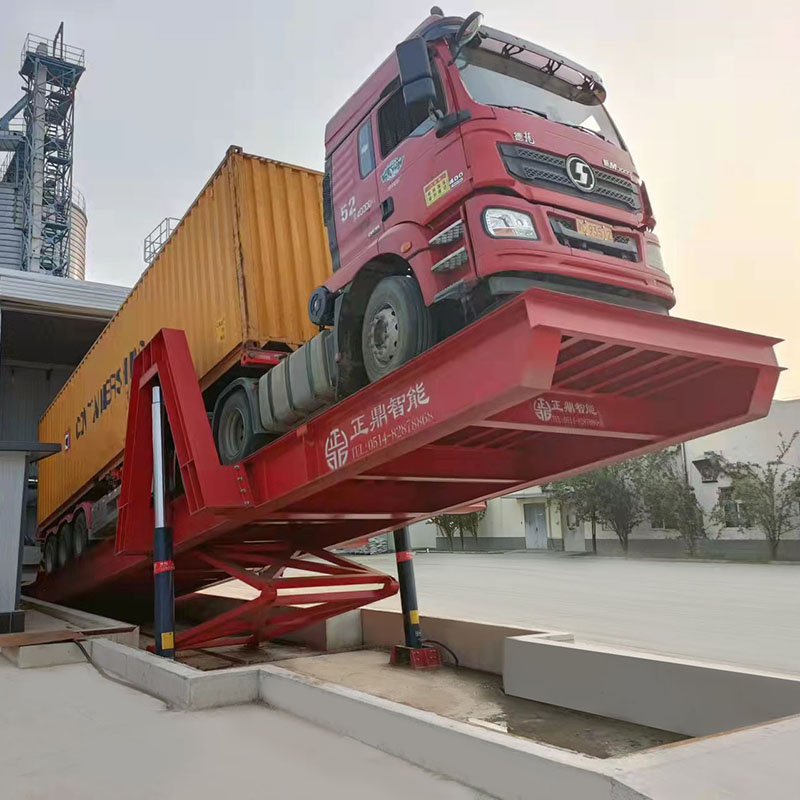
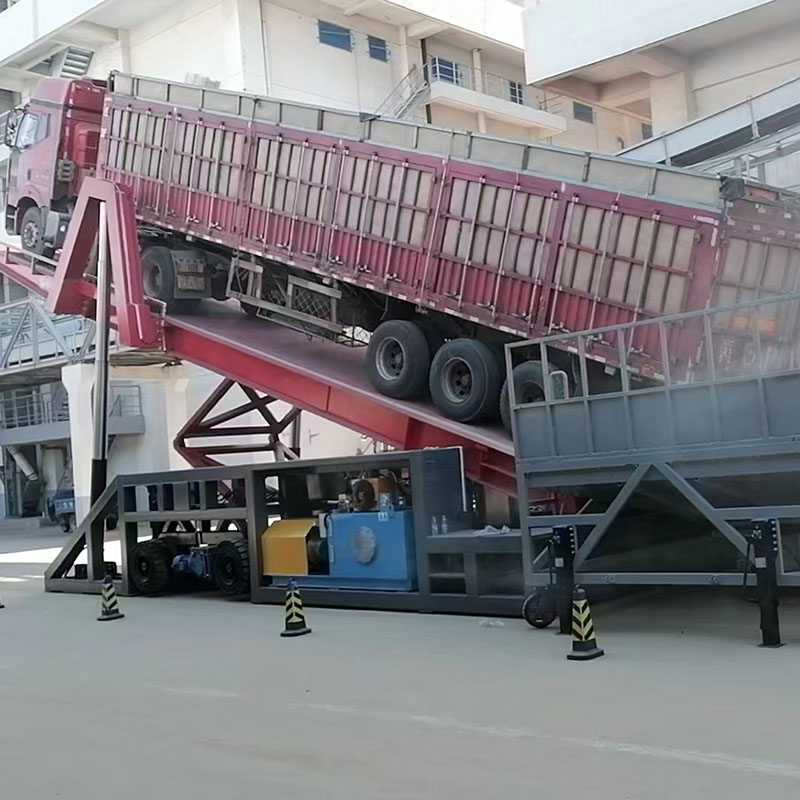
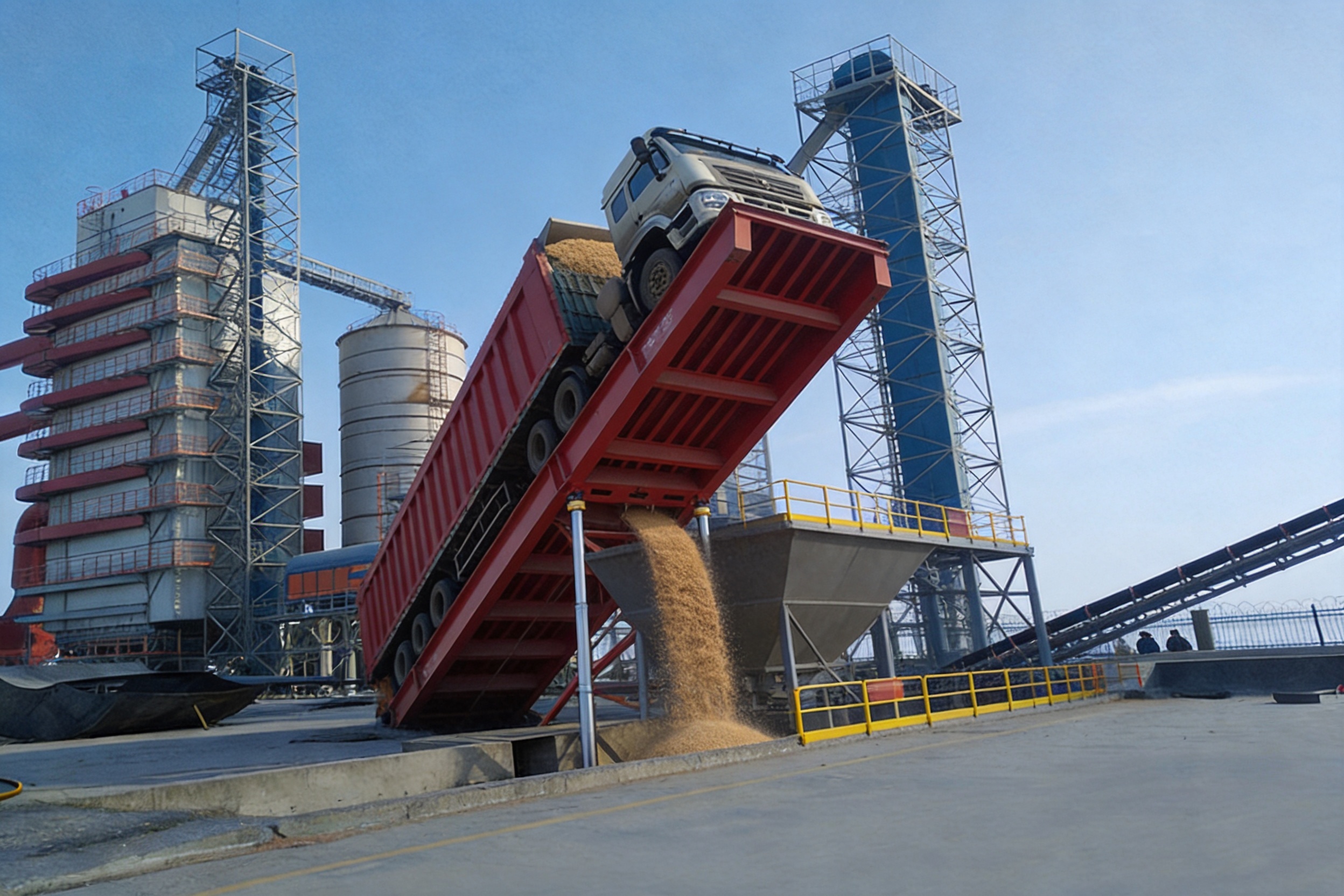
The truck dumpers in this product range are designed to receive loaded trucks, secure the vehicles, lift the platform or vehicle body, and discharge the material at a controlled angle. The equipment uses hydraulic cylinders and pumps to generate the lifting force. A rigid mechanical synchronization arrangement helps keep the lifting components coordinated during movement.
During a typical unloading cycle, the truck drives onto the dumper platform and stops at the specified position. The retaining wheel device is then engaged to prevent unwanted vehicle movement. Once the restraint and other operating conditions are confirmed, the hydraulic system raises the platform or turns the truck to the required unloading angle. After the cargo has been discharged, the system returns to its original position, the operator confirms that the platform is fully lowered, and the vehicle restraint is released according to the prescribed sequence.
The system can be configured for different vehicle dimensions, loading conditions, receiving arrangements, and lifting angles. The listed models support maximum lifting angles of 45 degrees or 55 degrees, depending on the selected configuration. These angles are suitable for many bulk materials whose flow characteristics allow gravity discharge.
The equipment is intended for industrial use rather than ordinary road transportation. It must be installed on a properly engineered foundation and operated in accordance with the manufacturer’s instructions, local regulations, site-specific risk assessments, and the requirements of the receiving system. Material properties, truck design, center of gravity, environmental conditions, and unloading frequency should all be considered during specification.
Key product characteristics
The product incorporates a high-precision oil-cylinder synchronous stability system developed by the manufacturer. This system is intended to reduce vibration during operation, reduce impact loads on the cylinders, and extend cylinder service life. Smooth movement is particularly important when handling heavy vehicles because uneven lifting can create structural stress, platform instability, and unnecessary wear on pins, bearings, hoses, and hydraulic components.
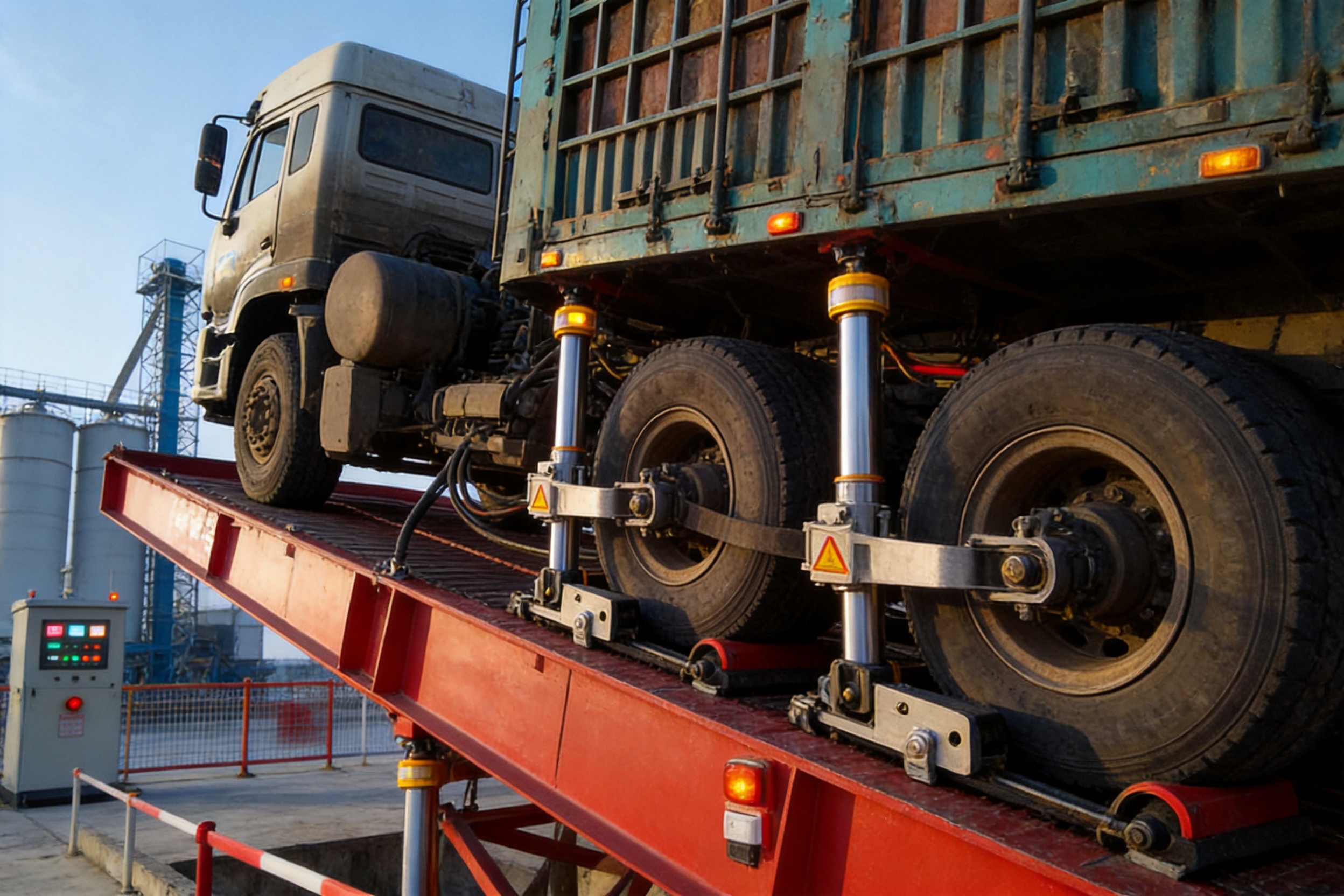
A full-automatic retaining wheel fixing device is also used. This arrangement reduces the need for an operator to manually hold a remote control while working in a dusty environment. It supports a simpler operating sequence and can improve safety by ensuring that the vehicle is mechanically restrained before lifting begins.
The hydraulic cylinders and pumps use imported brands selected for reliability and service life. The use of established hydraulic components can support stable operation, provided that the system is correctly installed, protected from contamination, inspected regularly, and maintained according to the required service schedule.
The equipment can support unmanned or highly automated operation. In suitable installations, the truck driver may complete the unloading process without the presence of a dedicated professional dumper operator. This reduces staffing requirements and can make the unloading station easier to integrate with automatic gates, weighing systems, cameras, interlocks, and central control systems.
3. Mechanical Rigid Synchronization: A Major Competitive Advantage
One of the most important differences between this truck dumper design and many traditional side-turn systems is the method used to synchronize the side cylinders. In a conventional flow-control arrangement, synchronization depends largely on the hydraulic circuit delivering similar oil flow to multiple cylinders. In practice, exact equality can be difficult to maintain under all operating conditions.
Hydraulic flow may be influenced by oil viscosity, temperature, seal condition, valve response, hose resistance, load distribution, and component wear. If one cylinder moves slightly faster than another, the platform may experience uneven movement. Over time, even minor differences can increase the load on structural parts and hydraulic components.
The mechanical rigid synchronization mechanism provides a physical connection between the lifting movements. Rather than depending only on equivalent oil flow, the mechanism helps force the connected parts to move together. This creates a more stable lifting relationship and reduces the risk of unbalanced operation.
The principal advantages of mechanical rigid synchronization include:
- More consistent movement between lifting points.
- Lower dependence on fine hydraulic flow balancing.
- Reduced sensitivity to changes in oil temperature and viscosity.
- Lower risk of uneven platform movement.
- Less vibration and shock transmitted to hydraulic cylinders.
- Simpler troubleshooting compared with highly complex flow-control circuits.
- Improved operating confidence when handling heavy and unevenly distributed loads.
This design does not eliminate the importance of hydraulic maintenance. The cylinders, pumps, valves, hoses, seals, and fittings must still be inspected and serviced. However, the mechanical synchronization arrangement adds a structural layer of control that supports the hydraulic system rather than requiring hydraulic flow control to perform the entire synchronization function.
For customers comparing different truck dumper suppliers, synchronization technology should be considered carefully. A system that appears similar externally may have a significantly different internal operating principle. Buyers should ask whether synchronization is achieved through hydraulic throttling, electronic control, mechanical linkage, or a combination of methods. They should also request information about allowable load distribution, cylinder protection, emergency lowering, limit control, and maintenance access.
4. Hydraulic Stability and Component Reliability
The hydraulic system is the power center of a truck dumper. It must generate enough force to lift the loaded vehicle while maintaining controlled movement throughout the cycle. Sudden pressure changes, unstable valve response, or contaminated oil can create vibration and impact. These conditions may shorten the life of cylinders, pump components, seals, and connecting structures.
The high-precision oil-cylinder synchronous stability system is designed to promote smoother movement. Small vibration is beneficial for several reasons. It reduces mechanical shock, limits stress concentration, helps protect the truck and platform, and improves the working environment for nearby personnel. Smooth movement can also reduce noise and improve the repeatability of the unloading cycle.
Imported hydraulic cylinders and pumps are specified for their reliability and durability. Nevertheless, component brand alone does not guarantee performance. Correct sizing, proper installation, clean hydraulic oil, appropriate filtration, protection from dust and moisture, and timely replacement of worn seals are equally important. A well-designed system combines high-quality components with disciplined maintenance and correct operating procedures.
Important hydraulic protection features may include holding valves, check valves, pressure-relief devices, emergency stop functions, and controlled return circuits. A hydraulic holding valve can help prevent uncontrolled platform descent in the event of a hose failure or loss of pressure. Check valves can help control flow direction, while relief devices protect the circuit from excessive pressure.
Operators should never place themselves beneath a raised platform or rely solely on hydraulic pressure to hold a lifted structure. Where maintenance requires access beneath or near the platform, approved mechanical supports, isolation procedures, lockout and tagout practices, and site-specific permits must be used.
5. Automatic Vehicle Restraint and Operational Safety
Vehicle movement is one of the most serious risks associated with truck dumper operation. As the platform rises, the truck’s center of gravity changes and the vehicle may be exposed to forces that do not occur during normal driving. If the vehicle is not properly secured, it could roll, slide, shift, or move away from the intended position.
The automatic retaining wheel fixing device is designed to address this hazard. It can secure the vehicle before the lifting cycle and simplify the operator’s work. In a well-integrated control sequence, lifting is prevented unless the restraint has reached the required position. This type of interlock reduces dependence on memory and helps prevent the operator from starting the cycle prematurely.
Vehicle restraint should be matched to the truck type, wheel arrangement, tire dimensions, platform geometry, and expected load. Wheel chocks alone may not provide sufficient positive restraint in all conditions, particularly on wet, icy, contaminated, or sloped surfaces. For demanding installations, mechanical clamps, bumper stops, wheel blocks, or other positive restraint systems may be used together with automatic interlocks.
Other safety functions that should be considered during equipment selection and installation include:
- Platform position sensors and limit switches.
- Emergency stop buttons at the control station and near the platform.
- Warning lights and audible alarms during movement.
- Interlocked access gates and barriers.
- Visual confirmation through cameras or observation points.
- Clearly marked exclusion zones.
- Emergency hydraulic holding and controlled lowering functions.
- Protection against operation beyond the approved lifting angle.
Engineering controls are generally more reliable than procedures that depend only on operator attention. A warning sign may be ignored, but an interlock can prevent a hazardous sequence from occurring. For this reason, a complete dumper project should combine physical restraint, hydraulic protection, control-system logic, visual signals, emergency controls, and operator training.
6. Unmanned and Driver-Operated Unloading
Automation is becoming increasingly important in industrial logistics. Facilities want to reduce manual intervention, improve vehicle throughput, and create safer working conditions. The truck dumper can support unmanned control or driver-operated unloading when it is integrated with suitable access control, weighing equipment, sensors, cameras, and interlocking systems.
In a driver-operated process, the driver may position the truck, follow the control instructions, confirm the restraint status, and initiate the unloading cycle. This can remove the need for a separate operator at every unloading station. The process is particularly useful where the vehicle fleet is regular, the material type is consistent, and the receiving station has been designed for automated operation.
Unmanned operation should not be understood as the absence of safety management. Automated systems still require commissioning, inspection, preventive maintenance, emergency response planning, and periodic verification of sensors and interlocks. Personnel must understand how to respond if a vehicle is incorrectly positioned, a sensor fails, material bridges in the receiving hopper, or the platform stops during lifting.
A typical automated sequence may include vehicle identification, weight measurement, positioning confirmation, wheel restraint engagement, access-zone verification, dumper lifting, discharge monitoring, platform return, restraint release, and exit authorization. The exact sequence depends on the plant’s control architecture and the customer’s operating requirements.
Automation can deliver measurable advantages:
- Reduced operator exposure to dust, noise, and moving machinery.
- More consistent execution of safety steps.
- Improved vehicle tracking and production records.
- Reduced waiting time at the unloading point.
- Better integration with enterprise and warehouse systems.
- Greater potential for continuous operation.
The manufacturer can provide systematic solutions for automatic loading and unloading of vehicles and containers. This broader capability is valuable because the truck dumper may need to work as part of a complete logistics line rather than as a stand-alone machine.
7. Models, Capacity, and Technical Parameters
The listed product family includes several TQXHD models. The final configuration should be selected according to vehicle dimensions, maximum gross load, site layout, required unloading angle, foundation conditions, and receiving equipment. The dimensions shown below represent available size combinations in meters and should be confirmed during technical design.
| Model | Available Size L × W, m | Maximum Lifting Weight, t | Maximum Lifting Angle |
|---|---|---|---|
| TQXHD 50 | 14 × 3; 16 × 3; 17 × 3 | 80 | 45° / 55° |
| TQXHD 80 | 16 × 3; 17 × 3; 18 × 3 | 80 | 45° / 55° |
| TQXHD 100 | 17 × 3; 18 × 3; 20 × 3 | 100 | 45° / 55° |
| TQXHD 150 | 17 × 3; 18 × 3; 20 × 3 | 150 | 45° / 55° |
Capacity selection must not be based only on the nominal truck weight. Engineers should evaluate the combined operating load, including the vehicle, cargo, dynamic effects, uneven distribution, and any additional forces produced during starting, stopping, or material discharge. The foundation and structural supports must also be designed for the actual reaction forces generated by the equipment.
The required lifting angle depends on material characteristics. Free-flowing grain or dry granular material may discharge effectively at a lower angle, while cohesive, damp, or irregular material may require a greater angle or additional measures such as vibration assistance, hopper design improvements, or material-flow devices. The receiving pit must be designed to prevent blockage and to accommodate the discharge rate.
Truck length and wheelbase also affect platform selection. A platform that is too short may not support the vehicle correctly, while an oversized platform may increase foundation cost and occupy unnecessary space. The dumper supplier should review vehicle drawings, loading data, axle arrangements, tire sizes, and unloading conditions before finalizing the equipment.
8. Manufacturing Strengths and Engineering Capability
Truck dumper quality begins with engineering design and continues through material preparation, machining, welding, hydraulic assembly, electrical integration, testing, and final commissioning. Because the equipment handles heavy vehicles, manufacturing consistency is essential. Small errors in alignment, welding, or component installation can become significant after repeated lifting cycles.
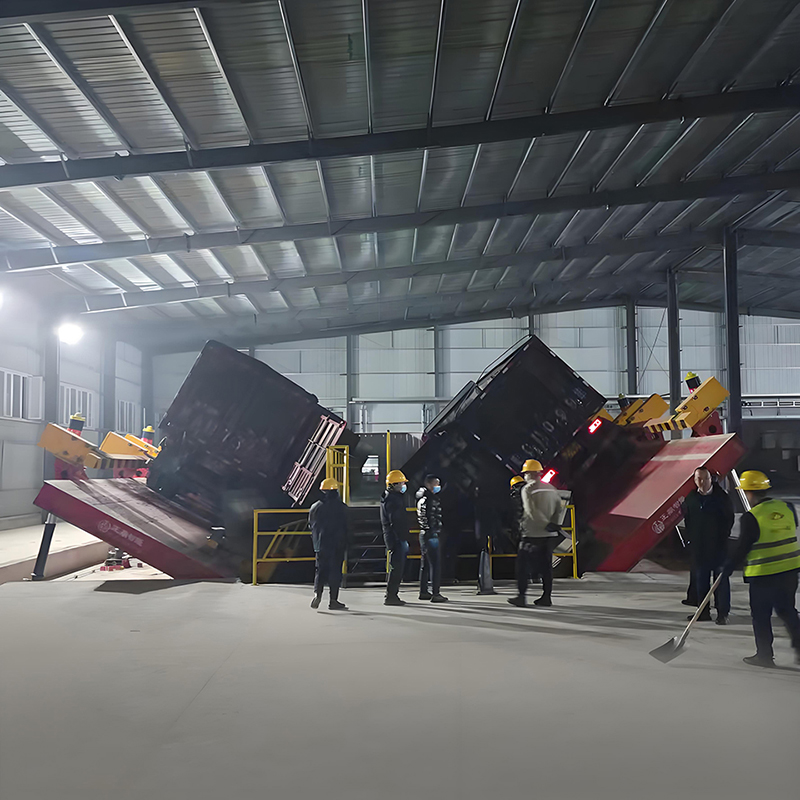
Jiangsu Zhengding Intelligent Equipment Co., Ltd. is a national high-tech enterprise focused on the research, development, manufacturing, and sales of intelligent logistics equipment. Its product portfolio includes rear dumpers, side-turn truck dumpers, vehicle loading equipment, container flippers, and other automatic loading and unloading systems for vehicles and containers.
The company’s manufacturing strength is supported by the combination of equipment development and application experience. Rather than supplying only a basic lifting platform, it can design systematic solutions that connect the dumper with material receiving, weighing, conveying, storage, and process-control systems. This approach is important for customers that require a complete unloading line with coordinated operation.
A reliable manufacturing process generally includes the following stages:
Engineering design and application analysis
The design team evaluates the truck models, cargo properties, unloading capacity, platform dimensions, lifting angle, operating environment, foundation arrangement, and automation requirements. This analysis helps determine the appropriate model and prevents customers from selecting equipment based only on a general capacity label.
Structural fabrication
The main platform and supporting structures must be fabricated with accurate dimensions and controlled weld quality. Proper material preparation, fixture use, alignment inspection, and weld-process management help ensure structural integrity. Heavy-duty parts require attention to load paths, stress concentration, bearing points, hinge assemblies, and fatigue resistance.
Hydraulic system assembly
Hydraulic pumps, cylinders, valves, hoses, filters, and fittings must be installed according to clean assembly practices. Contamination control is particularly important because particles in hydraulic oil can damage valves, seals, and pump surfaces. Correct hose routing and support also reduce abrasion and fatigue during repeated movement.
Synchronization and mechanical alignment
The rigid synchronization mechanism requires accurate installation and alignment. Its effectiveness depends on correct geometry, secure connections, suitable bearing or pivot arrangements, and proper inspection of movement throughout the lifting range. A mechanical system must be manufactured and assembled precisely so that it contributes to smooth movement rather than creating additional resistance.
Electrical and control integration
Control panels, sensors, limit switches, emergency stops, alarms, cameras, and interlocks must work together as a complete safety sequence. The control system should prevent unsafe operating combinations, such as lifting before the vehicle restraint is engaged or continuing movement beyond the approved limit.
Factory testing and commissioning
Before delivery, the equipment should undergo functional checks and, where applicable, load testing, hydraulic pressure verification, limit-switch testing, emergency-stop testing, restraint testing, and no-load or simulated-load operation. Site commissioning then verifies the foundation, power supply, receiving equipment, vehicle positioning, safety barriers, and control logic under actual operating conditions.
9. Why System Integration Matters
A truck dumper is only one part of a modern material-handling installation. If the receiving hopper is too small, the conveyor cannot accept the discharge rate, or the weighing system is not coordinated with the dumper cycle, the unloading station may fail to achieve its expected capacity.
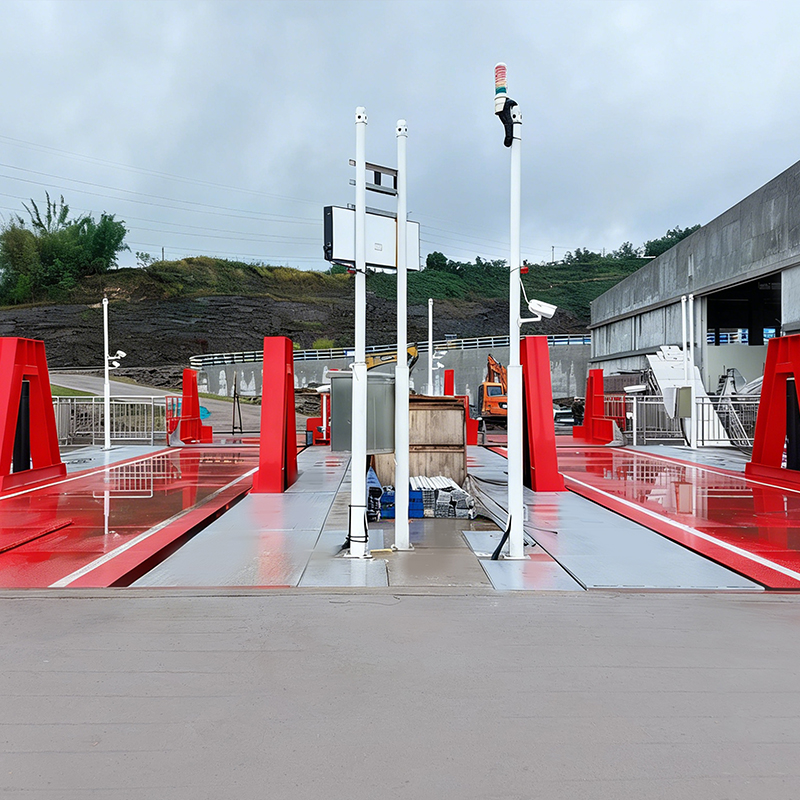
System integration addresses these relationships. The truck dumper can be coordinated with automatic gates, traffic lights, weighing bridges, dust collectors, conveyors, silo level sensors, barcode or vehicle-recognition systems, and centralized monitoring software. The goal is to create a controlled material path from vehicle arrival to final storage or processing.
For containerized materials, related equipment such as container flippers and container loading or unloading systems may be required. The company’s wider product range allows customers to discuss vehicle unloading, container handling, and other logistics requirements with one equipment supplier. This can simplify project coordination, technical communication, spare-parts planning, and after-sales support.
System integration also improves data collection. The control system can record vehicle entry, unloading time, material weight, operating cycles, alarm conditions, and maintenance events. These records can help plant managers identify bottlenecks, schedule maintenance, verify production data, and improve safety management.
10. Applications Across Multiple Industries
Truck dumpers are widely adaptable because they can handle different vehicle types and bulk-material categories. In the grain and feed industries, they can receive wheat, corn, oats, soybean products, feed ingredients, and other granular materials. Proper dust control, hygienic design, and easy-cleaning provisions may be required for food-related applications.
In cement and mineral processing, the dumper may handle raw materials, clinker-related products, limestone, gypsum, coal, or other mineral materials. These environments can generate abrasive dust, so sealing, protective covers, filtration, and routine cleaning are important.
Coal and steel facilities often require heavy-duty equipment capable of frequent operation and high vehicle loads. The dumper may be integrated with crushers, screens, feeders, conveyors, and storage yards. Structural durability and reliable vehicle restraint are especially important in these high-throughput settings.
Chemical and oil-related applications may require additional attention to corrosion protection, hazardous-area classification, material compatibility, grounding, and environmental controls. The equipment configuration must be adapted to the material and the applicable safety requirements.
Ports and logistics terminals may use truck dumpers as part of a larger transfer process connecting road transportation with storage, conveyors, ships, or rail systems. In these locations, rapid cycle times, remote monitoring, weather protection, and coordination with traffic management are often major priorities.
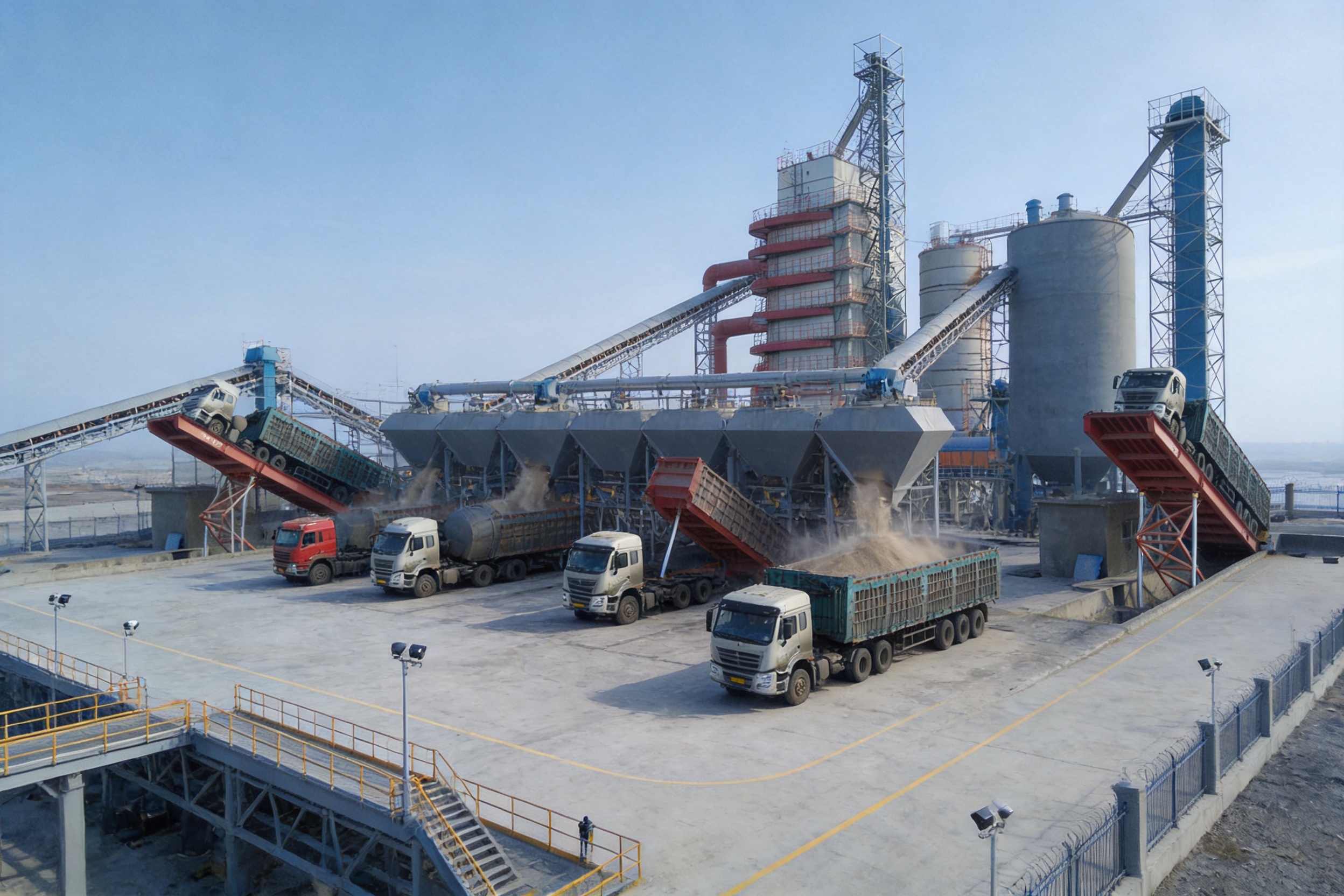
The company reports that its products are used in industries including steel, chemical, cement, coal, grain, oil, food, feed, ports, papermaking, and new energy. It also serves international markets such as Japan, Brazil, Egypt, Pakistan, India, the Middle East, and Southeast Asia. This range of applications demonstrates the importance of adapting equipment design to local operating conditions rather than relying on a single standard configuration.
11. Maintenance and Service-Life Considerations
Preventive maintenance is essential for any lifting system. A truck dumper may operate hundreds or thousands of cycles over its service life, and repeated loading places stress on hydraulic, structural, electrical, and mechanical components. A planned maintenance program can detect problems before they become failures.
Daily operator checks should include the following:
- Visible hydraulic leaks around cylinders, hoses, pumps, and fittings.
- Abnormal noise, vibration, or jerking during movement.
- Correct operation of wheel restraints and interlocks.
- Condition of emergency stops, warning lights, and audible alarms.
- Damage to the platform, protective guards, barriers, or access points.
- Correct operation of limit switches and position indicators.
- Presence of foreign material that could obstruct movement.
Weekly or periodic maintenance should include inspection of pins, bearings, welds, fasteners, hydraulic oil condition, filters, hoses, electrical cabinets, sensors, and mechanical synchronization components. The frequency should be adjusted according to operating hours, environment, material dust, load intensity, and manufacturer recommendations.
Hydraulic systems should receive a detailed inspection at planned intervals. This may include pressure testing, valve-function verification, oil analysis, filter replacement, cylinder-seal inspection, and hose-condition evaluation. Hydraulic hoses should be replaced when damaged, aged, swollen, abraded, or otherwise unsafe. A replacement interval may also be established based on the operating environment and hose manufacturer’s recommendations.
Maintenance personnel must use isolation and lockout procedures before entering hazardous areas or working on raised structures. The platform should be fully lowered whenever possible. If elevated access is unavoidable, approved mechanical supports must be installed and verified before work begins.
Reliable maintenance access is a design advantage. Components that can be inspected without unnecessary dismantling help reduce downtime and encourage regular servicing. Customers should evaluate access to pumps, valves, filters, grease points, sensors, control cabinets, and structural inspection areas when comparing suppliers.
12. Safety Management and Operator Training
Even a well-engineered truck dumper requires trained personnel and a disciplined safety culture. Operators should understand the equipment’s intended use, maximum load, maximum angle, vehicle-positioning requirements, restraint sequence, emergency procedures, and prohibited actions.
Initial training should include equipment familiarization, safe operating procedures, emergency response, basic maintenance awareness, and practical demonstration. Refresher training should be conducted at regular intervals and whenever the equipment, material, vehicle fleet, or operating procedure changes.
| Training Topic | Suggested Initial Duration | Refresher Frequency | Assessment Method |
|---|---|---|---|
| Equipment familiarization | 4 hours | Annual | Practical demonstration |
| Safe operating procedures | 8 hours | Semi-annual | Written examination |
| Emergency response | 4 hours | Annual | Emergency drill |
| Maintenance awareness | 2 hours | Annual | Verbal or written quiz |
Only authorized personnel who have completed the required training and passed the applicable assessment should operate the equipment. Training records should be maintained for each operator. Visitors, drivers, contractors, and maintenance staff should also receive appropriate site instructions before entering the dumper area.
A clear exclusion zone should be established around the platform. The exact distance depends on the installation, risk assessment, guarding arrangement, and local regulations. As a general planning principle, personnel should remain outside the designated danger zone during lifting and lowering. Cameras, barriers, gates, warning lights, and audible alarms can help reinforce this rule.
13. Comparison with Conventional Dumper Solutions
Customers often compare truck dumpers based on rated capacity and price. These factors are important, but they do not provide a complete picture of value. A lower initial price may be offset by higher downtime, more frequent hydraulic adjustment, greater maintenance demand, or weaker safety integration.
Compared with traditional side-cylinder systems that rely mainly on oil-flow synchronization, the mechanical rigid synchronization design offers a more direct method of coordinating movement. It can reduce dependence on hydraulic balancing and may provide better stability over changing temperatures and operating conditions.
Compared with manually controlled systems, automatic vehicle restraint can simplify the operator’s task and make the unloading sequence more consistent. It can also support interlocked operation, in which lifting cannot begin until the truck is correctly secured.
Compared with basic stand-alone equipment, a system solution can provide better coordination with weighing, conveying, dust collection, storage, and plant-control systems. This can improve overall logistics performance and reduce the difficulties associated with combining equipment from multiple suppliers.
Compared with systems that use generic hydraulic components without a clear maintenance strategy, the use of established imported pumps and cylinders can support component reliability. However, customers should still confirm availability of spare parts, service support, technical documentation, warranty conditions, and recommended inspection procedures before purchase.
14. How to Select the Right Truck Dumper
The correct dumper should be selected through a technical review rather than a simple catalog comparison. The following factors should be considered.
Vehicle characteristics
Provide the supplier with the maximum and minimum truck lengths, widths, wheelbases, axle configurations, tire sizes, tare weights, gross weights, and body shapes. Different vehicles may require different platform arrangements and restraint positions.
Material characteristics
Describe the material density, moisture content, particle size, temperature, abrasiveness, cohesiveness, and tendency to bridge or stick. Material flow behavior determines the required lifting angle and receiving-hopper design.
Capacity and duty cycle
Estimate the number of vehicles per hour, average unloading time, peak traffic, operating hours per day, seasonal variations, and expected service life. A dumper for occasional use may have different requirements from one operating continuously in a high-volume terminal.
Site and foundation conditions
The installation area must accommodate the dumper, vehicle approach lanes, safety barriers, drainage, electrical systems, hydraulic equipment, receiving hopper, inspection access, and maintenance space. Ground bearing capacity, underground utilities, water levels, and local weather conditions should also be assessed.
Automation requirements
Determine whether the customer needs driver-operated control, remote control, fully automatic operation, vehicle identification, automatic weighing, camera monitoring, central control, or integration with an existing plant management system.
Safety and compliance
Review applicable national and local standards for machinery, lifting equipment, electrical systems, emergency stops, guarding, pressure systems, occupational safety, and environmental protection. The final design should be documented and approved according to the project’s legal and technical requirements.
15. Company Capability and International Service Experience
Jiangsu Zhengding Intelligent Equipment Co., Ltd. is located in Yangzhou, Jiangsu Province, China. The company focuses on intelligent automated loading and unloading equipment for automobiles, containers, ships, and related logistics applications. Its scope includes research and development, manufacturing, sales, system design, and technical service.
The company provides equipment such as rear dumpers, side-turn truck dumpers, automobile loading systems, container flippers, and other automated handling machinery. This product range allows it to serve customers with different unloading and transfer requirements across multiple industries.
Its equipment has been supplied to markets including Japan, Brazil, Egypt, Pakistan, India, the Middle East, and Southeast Asia. The company also identifies international users in the beverage, grain, food, agricultural, chemical, construction-material, and industrial sectors. Experience across different markets can be valuable because projects may involve different truck designs, climate conditions, regulations, material properties, and automation expectations.
The company’s strengths can be summarized as follows:
- Development of intelligent vehicle and container loading and unloading equipment.
- Experience with rear-dumping and side-turn dumper configurations.
- Mechanical rigid synchronization for improved lifting stability.
- Automatic wheel restraint and safety interlocking options.
- Use of established hydraulic pumps and cylinders.
- Support for unmanned or driver-operated unloading.
- Ability to provide integrated logistics and material-handling solutions.
- Experience serving industrial and international customers.
- Capability to customize equipment for different industries and site conditions.
For customers purchasing a truck dumper, supplier capability should include more than manufacturing capacity. It should also include application engineering, foundation guidance, installation support, commissioning, operator training, spare-parts planning, troubleshooting, and after-sales service. These services help ensure that the equipment delivers its intended performance after installation.
16. Frequently Asked Questions
Q1: What is the main advantage of the mechanical rigid synchronization mechanism?
The mechanism physically coordinates the lifting components instead of relying only on equal hydraulic oil flow. This can improve movement consistency, reduce uneven lifting, limit vibration, simplify the synchronization principle, and reduce stress on cylinders and structural parts.
Q2: Can the truck dumper be used for different truck lengths?
Yes. The available models include different platform length configurations. The correct choice depends on the vehicle dimensions, wheelbase, axle arrangement, gross load, and site layout. Vehicle drawings and operating data should be reviewed before final selection.
Q3: What lifting capacities are available?
The listed TQXHD range includes maximum lifting capacities of 80 tons, 100 tons, and 150 tons, depending on the model. The actual permitted load must be confirmed for the selected configuration and should include the complete vehicle and cargo conditions specified by the engineering design.
Q4: What lifting angles are available?
The listed configurations provide maximum lifting angles of 45 degrees or 55 degrees. The required angle depends on the material’s flow characteristics, moisture, density, vehicle body design, and receiving-hopper arrangement.
Q5: Can the truck driver operate the unloading process?
In suitable automated installations, the driver may complete the process independently. The system can use automatic vehicle restraint, sensors, interlocks, cameras, and programmed operating sequences. Site-specific training and safety authorization remain necessary.
Q6: Are wheel chocks alone sufficient?
Wheel chocks should not automatically be treated as the only restraint. Depending on the vehicle and site conditions, positive mechanical restraints such as wheel clamps, bumper blocks, or automatic retaining devices may be required. Interlocked restraint systems provide stronger protection against vehicle movement.
Q7: How often should the hydraulic system be inspected?
Operators should perform visual checks before use. Maintenance personnel should conduct more detailed weekly or periodic inspections, while annual inspections may include pressure testing, valve-function verification, hose evaluation, and cylinder inspection. The exact schedule should follow the manufacturer’s instructions, operating conditions, and local requirements.
Q8: What should happen if the platform stops while raised?
Operators should stop the system, keep personnel outside the danger zone, and follow the emergency procedure. No one should enter beneath or between raised structures. Qualified maintenance personnel should isolate the equipment, determine the cause, and use approved mechanical supports before carrying out any work.
Q9: Can the dumper be integrated with weighing and conveying systems?
Yes. The equipment can be designed as part of an automatic loading and unloading system that includes weighing, receiving hoppers, conveyors, storage equipment, cameras, traffic controls, and centralized monitoring. Integration requirements should be defined during the project design stage.
Q10: What industries can use this equipment?
Applications include steel, cement, coal, grain, feed, food, chemical, oil, mineral processing, ports, papermaking, and new energy industries. The final configuration must be adapted to the material, vehicle, environment, duty cycle, and safety requirements of each application.
Q11: What information should be supplied when requesting a quotation?
Customers should provide truck dimensions, maximum gross weight, cargo type, material density, required unloading rate, daily operating hours, preferred lifting angle, site drawings, receiving equipment details, automation requirements, local power standards, environmental conditions, and applicable safety regulations.
Q12: Is the equipment suitable for outdoor installation?
Truck dumpers can be designed for outdoor or semi-outdoor environments, but weather, drainage, corrosion, dust, freezing temperatures, wind, and electrical protection must be considered. The installation should include appropriate foundations, drainage, protective measures, and maintenance access.
17. Conclusion
A modern truck dumper must do more than lift a loaded vehicle. It must provide stable movement, reliable hydraulic performance, effective vehicle restraint, safe control logic, low maintenance demand, and compatibility with the customer’s wider logistics system. These requirements become more important as plants increase throughput, reduce manual labor, and move toward unmanned operation.
The product range described here addresses these priorities through mechanical rigid synchronization, a high-precision oil-cylinder stability system, automatic retaining wheel fixing, imported hydraulic pumps and cylinders, safety interlocks, and support for automated unloading. These features distinguish the equipment from conventional systems that depend mainly on hydraulic flow synchronization or manual operating steps.
Jiangsu Zhengding Intelligent Equipment Co., Ltd. combines equipment manufacturing with system engineering for vehicle, container, and industrial logistics applications. Its experience across grain, cement, coal, steel, chemical, food, port, and other sectors supports customized project development. For customers seeking a reliable truck dumper, the most important evaluation criteria should include structural design, synchronization technology, safety engineering, hydraulic quality, automation capability, manufacturing control, installation support, and long-term service.
With correct selection, professional installation, disciplined operation, and preventive maintenance, a truck dumper can become a high-value part of an automated loading and unloading process. It can reduce vehicle turnaround time, improve working safety, support higher plant productivity, and provide a dependable foundation for modern bulk-material logistics.
References
1. Manufacturer-provided product specifications for the TQXHD truck dumper series.
2. Manufacturer-provided information on mechanical rigid synchronization and high-precision hydraulic stability systems.
3. Manufacturer-provided company profile and industrial application information for Jiangsu Zhengding Intelligent Equipment Co., Ltd.
4. General principles of industrial machinery risk assessment, guarding, interlocking, and emergency-stop design.
5. General hydraulic equipment maintenance practices, including hose inspection, pressure testing, filtration, and contamination control.
6. General occupational safety practices for vehicle restraint, lifting equipment, exclusion zones, lockout and tagout, and operator training.


